

Essential Equipment and Techniques for Home Espresso Brewing
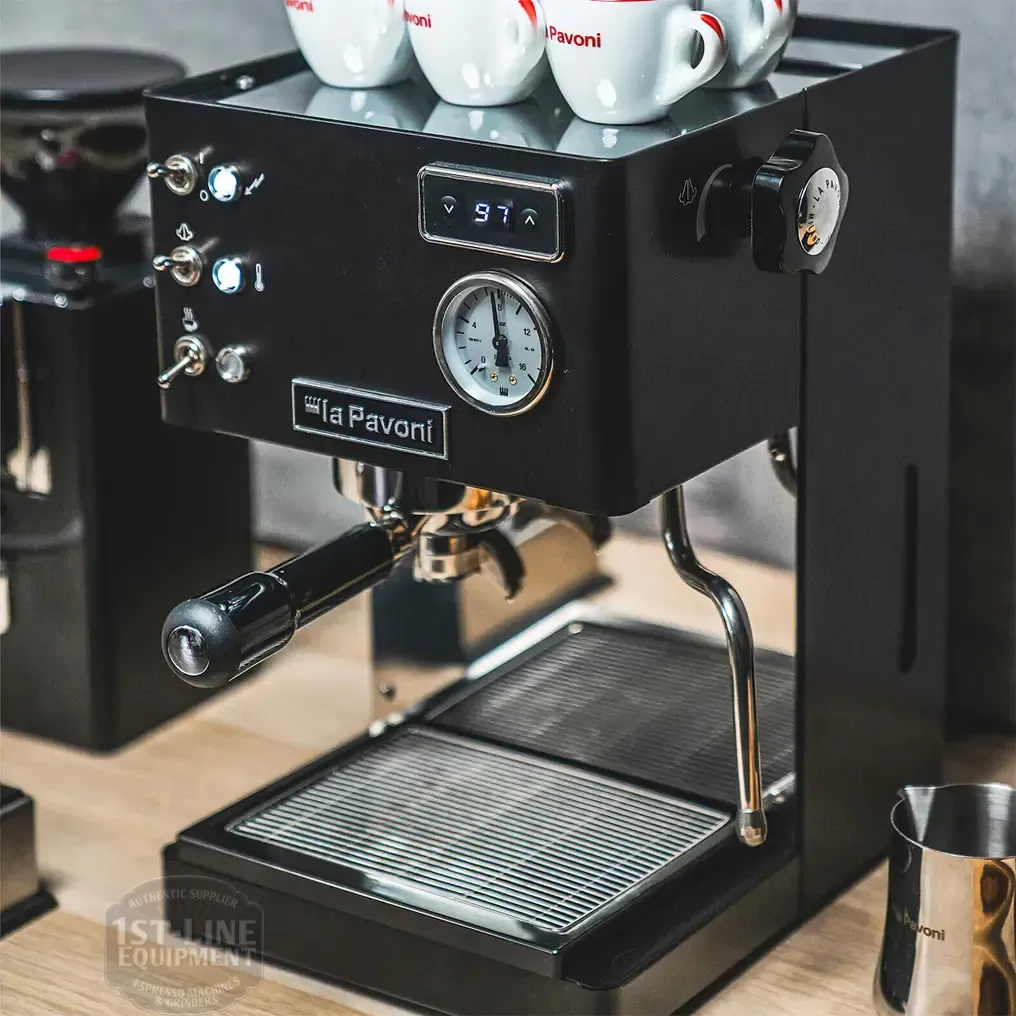
La Pavoni Casabar PID Espresso Machine
Brewing authentic Italian espresso at home takes the right equipment and consistent technique. This concise guide highlights the core tools, key brewing steps, maintenance routines, and recommended home machines to help you produce richer flavour and reliable cre
Essential Equipment
The essentials are an espresso machine, a quality grinder, and a few accessories. Each element affects extraction and final flavour.
Espresso Machines

Rancilio Silvia M Espresso Machine
Machines come in manual, semi-automatic, full automatic, and superautomatic styles. Manual models give the most control with a manual lever; automatic machines prioritize convenience; superautomatics automate grinding, dosing, tamping, extraction, and puck dispensing as well as sometimes milk frothing/steaming. Choose based on how much control you need over temperature, pressure, and timing.
For those looking to enhance their espresso brewing setup, 1st-line Equipment, LLC offers a selection of machines and accessories.
Coffee Grinder
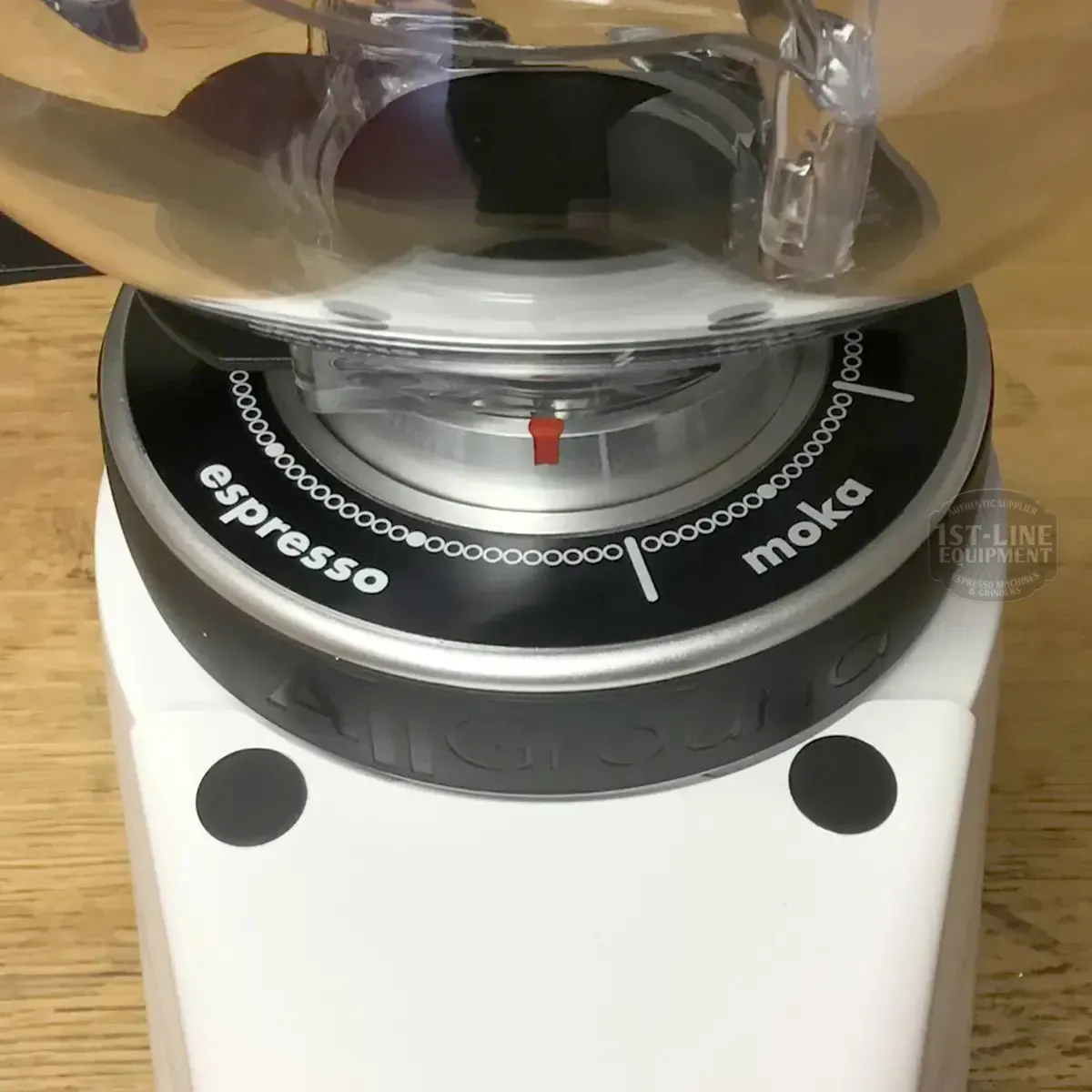
Fiorenzato All Ground Sense Coffee Grinder – Weight-Based Grinding
A burr grinder that produces a consistent fine grind is essential for espresso. Grind affects extraction, crema, and flavour clarity; adjust grind size to tune shots. Read more about flat versus conical burr espresso grinders.
Research supports the importance of grinding for extraction reliability and espresso quality.
Optimizing Espresso Grinding & Puck Preparation for Quality
Coffee powder is produced by a grinding machine. Espresso is prepared by forcing hot water under pressure through the coffee puck; an optimal flow rate of about 1 g s−1 is reported, though this can vary between extractions and require grinder adjustments. Grind grade is identified as a primary source of variation in espresso quality. Test of an innovative method to prepare coffee powder puck, improving espresso extraction reliability, G Angeloni, 2022
Accessories
Useful accessories include a correctly sized tamper, a stable portafilter, and a steaming pitcher for milk texturing. Nice to haves are a tamping mat, cleaners, and a scale. These items improve consistency and expand drink options.
1st-line Equipment, LLC offers machines, grinders, and post-purchase support for home users, such as comparison and educational blogs, espresso education, maintenance, support, as well as a YouTube channel.
Brewing Techniques
Key stages are grinding and dosing, tamping, and controlling extraction time and pressure. Small adjustments at each stage change the shot significantly.
Grinding and Dosing Coffee
Grind to a fine, espresso-appropriate texture. Dose 18–22 g for a double shot as a starting point; tweak dose and grind to balance extraction and taste. Single shots usually are more dificult to achieve desired flavors.Learn more about the importance of understanding espresso grind size and mastering espresso grind settings.
Tamping Techniques
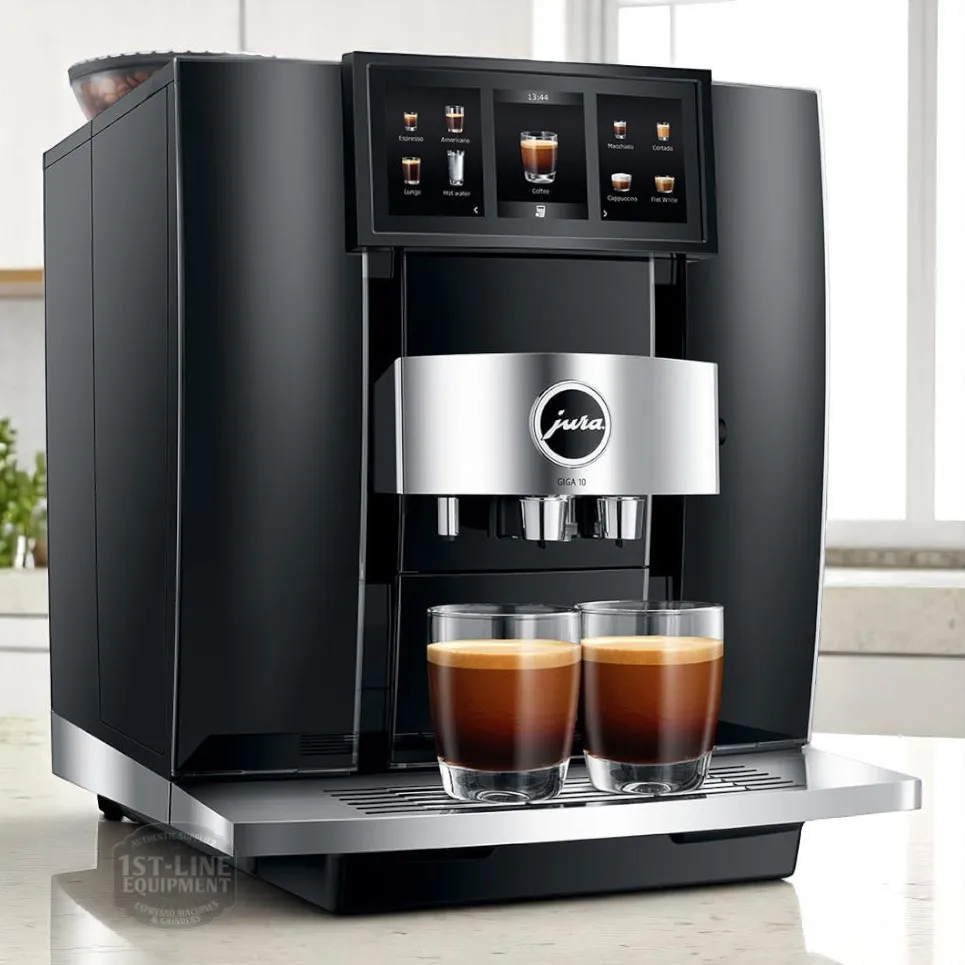
Jura GIGA 10 Super-Automatic Espresso Machine
Tamp to create an even, level puck. Apply steady pressure (around 30 lb) and check for a flat surface to minimize channeling. Learn essential techniques to master your coffee tamper!
Studies show particle size and tamping pressure substantially affect extraction kinetics and yield.
Espresso Particle Size & Tamping Pressure for Optimal Extraction
Time-resolved analysis demonstrates that particle size and tamping pressure affect extraction kinetics of caffeine and trigonelline. Smaller particles yield higher extraction rates and greater extraction yield; increased tamping pressure also raised extraction yield in the study.
Time-resolved extraction of caffeine and trigonelline from finely-ground espresso coffee with varying particle sizes and tamping pressures, M Minceva, 2017
Extraction Time and Quality
Aim for about 23–27 seconds for a balanced double shot. During this period, water extracts oils and flavor compounds; observe flow and crema to judge extraction. Record ratio of ground coffee grams to liquid beverage grams.
1st-line Equipment, LLC provides machines with controls for temperature and pressure to help dial in shots.
Tips for Best Results
Consistency and simple routines yield the biggest improvements. Focus on water quality, regular maintenance, and testing beans and settings.
- Water Quality : Use softened water to avoid off-flavors and reduce scale buildup. Do not use distilled, purified, or RO water.
- Machine Maintenance : Clean group heads, portafilter, and steam wand regularly to keep performance stable.
- Experimentation with Beans : Try different beans and roast profiles and adjust grind and dose to match.
Which Espresso Machines Are Best Suited for Home Use?
Choose a machine that matches your budget, convenience, and need for control. Below are commonly recommended home models:
- Rancilio Silvia Espresso Machine– Approximately $995.00
- La Pavoni Casabar PID Espresso Machine– Approximately $999.95
- Jura Superautomatic Espresso Machines – Starting at approximately $1,200.00
- Elektra Microcasa a Leva lever Espresso Machine – Approximately $2029.00
- VBM Junior Digital HX Espresso Machine with Flow Control – Approximately $2,099.00
- Bezzera Aria HX Espresso Machine with Flow Control – Approximately $2,265.00
- Torre Mariuccia Dual Boiler Espresso Machine with Flow Control – Approximately $2600.00
- Torre Peppina EVO Premium V2 Dual Boiler Espresso Machine– Approximately $3,395.00
- ACS Vostok Lever Espresso Machine – Approximately $7,150.00
These models are noted for durability and consistent performance (prices subject to change without notice.)
What Features Define Authentic Italian Espresso Machines?
Authentic machines combine solid construction, accurate brewing controls, and longevity. Look for quality materials, reliable temperature and pressure control, and traditional build quality.
- Craftsmanship and Materials : Durable parts and solid construction support long-term performance.
- Brewing Technology : Accurate temperature and pressure control matter most for extraction.
- Durability and Traditional Methods : Time-tested designs often deliver repeatable results.
- Repairability and Serviceability : Easier to repair and service, as well as readily available parts.
How to Select and Prepare Coffee Grounds for Italian Espresso?
Use fresh, well-stored beans, rested for 5-7 days to degas, and grind immediately before brewing. Prefer high-quality Arabica or blended Arabica/Robusta depending on desired strength and crema.
- Grind Size Importance : A fine, consistent grind is essential for even extraction. A high quality grinder is important.
- Types of Coffee Beans : Arabica for complexity; Robusta for body and crema.
- Preparation Methods : Keep beans fresh, protected from direct light, sealed, and dry; grind to taste for your machine.
What Is the Ideal Grind Size for Espresso Brewing?
Target a fine grind similar to table salt. Adjust slightly coarser or finer to correct under- or over-extraction until flavor and crema balance. For more details, see Mastering Espresso Grind Settings, Common Problems, and How to Fix Them.
How to Tamp Espresso Grounds Correctly?
Tamping steps: use a tamper that fits the basket, apply steady pressure (~30 lb), and ensure a level, compact puck to avoid channeling.
- Tools Needed : A well-fitting tamper and clean portafilter.
- Pressure Application : Apply consistent, even pressure.
- Maintaining a Level Surface : Check and correct any unevenness before extraction.
Read our guide for Mastering Your Coffee Tamper.
What Are the Key Steps in Brewing an Authentic Italian Espresso Shot?
Control temperature, pressure, and time while keeping grind and dose consistent. These variables determine balance and crema.
- Water Temperature Control : Keep water between 190°F and 205°F. 1st-line Equipment prefers 203°F.
- Pressure During Extraction : Aim for about 9 bars of pressure at the coffee puck.
- Timing for Optimal Shot : Target 23–27 seconds for a balanced double extraction.
How to Control Water Temperature and Pressure During Extraction?
Use a machine with stable temperature and pressure control. Consistency in these parameters reduces extraction variability and preserves flavour.
- Importance of Temperature Stability : Stable temperature yields even extraction.
- Pressure Consistency : Steady pressure supports proper crema and extraction.
- Impact on Flavor Extraction : Small variations change balance; adjust one variable at a time.
In many home models, flushes are needed to cool the grouphead. This involves running water through the empty grouphead to purge overheated water and steam, bringing the brewing temperature back into the optimal range for a better espresso extraction. This is known as a cooling flush.
What Is the Optimal Espresso Shot Time and Crema Quality?
A 23–27 second shot that produces a thick, golden crema usually indicates balanced extraction. Grind, tamp, and temperature all influence crema appearance and taste.
Crema appearance also shapes expectations of espresso quality.
Crema’s Influence on Espresso Quality & Sensory Experience
Research found that visual cues from crema significantly affect expectations of liking, quality, and intensity for espresso. Crema characteristics such as volume and colour vary with coffee blend and extraction equipment.
Impact of crema on expected and actual espresso coffee experience, D Labbe, 2016
How to Maintain and Clean Your Home Espresso Machine?
Regular cleaning and scheduled maintenance keep performance steady and extend machine life. Simple routines prevent flavour issues and mechanical faults.
- Daily Cleaning Tasks : Rinse portafilter and group head after each use.
- Backflushing Procedures : Backflush with a blind filter as recommended.
- Use Softened Water : Softened water reduces the minerals that cause limescale buildup, helping to minimize scale inside your espresso machine and reducing how often descaling is needed.
Additional details can be reviewd in our espresso machine cleaning guide.
What Are Best Practices for Regular Espresso Machine Maintenance?
Follow a regular cleaning schedule, use manufacturer-recommended detergents, and maintain the grinder to avoid stale coffee buildup.
- Regular Cleaning Schedule : Keep a simple, repeatable cleaning routine.
- Descaling Methods : Use recommended solutions and follow instructions.
- Grinder Maintenance : Clean burrs periodically to preserve grind consistency and optimal flavor.
How to Troubleshoot Common Home Espresso Machine Issues?
Diagnose poor extraction by checking grind, dose, tamp, and temperature. Adjust one variable at a time to find the cause.
- Identifying Common Problems : Look for weak flavour, sourness, or lack of crema.
- Solutions for Troubleshooting : Change grind fineness, tamping pressure, or temperature to correct extraction.
- When to Seek Professional Help : Email a technician, and include a video, if faults persist after routine checks.
Frequently Asked Questions
What type of coffee beans are best for brewing Italian espresso?
Use fresh, high-quality beans roasted for espresso. Arabica offers complexity; Robusta adds body and crema, but can add bitterness. Blends can balance sweetness and strength.
How can I improve the crema quality in my espresso?
Improve crema with a uniform fine grind, even tamping, correct dose, and stable extraction temperature (190°F–205°F). Fresh beans and clean equipment also help.
What are the signs of a well-extracted espresso shot?
A well-extracted shot has a golden crema, balanced flavour, and a 23–27 second extraction time. Sour taste indicates under-extraction; bitter indicates over-extraction.
How often should I descale my espresso machine?
It is best to use softened water instead of a regular descaling schedule. A water softener is a preventative step to reduce the agents that can cause limescale or water corrision. Be sure to recharge your water softener and replace it as directed by the manufacturer’s instructions. Descaling is recommended only when an issue occurs. Use a manufacturer-recommended descaler to protect flow and temperature stability. Please see our espresso machine cleaning guide for more information.
What troubleshooting steps can I take if my espresso tastes bitter?
Bitter shots often come from overly fine grind or long extraction. Try a slightly coarser grind, check tamp pressure, and confirm correct shot time and bean freshness.
Can I use flavored coffee beans for espresso?
Flavored beans should never be used, as they will contaminate the equipment. They mask natural coffee character.
What maintenance tasks should I perform regularly on my espresso machine?
Rinse the portafilter daily, backflush weekly, use softened water, descale only if needed, and clean the grinder. Inspect and replace worn parts as needed.
Conclusion
With the right equipment, disciplined technique, and routine maintenance you can brew authentic Italian-style espresso at home. Focus on consistent grind, dose, tamp, temperature, and pressure to achieve balanced shots and lasting results.
