

Introduction to Espresso Machine Steam Tips
Espresso machine steam tips play an important role in producing smooth, creamy milk for cappuccinos, lattes, flat whites, and other espresso-based beverages. Also known as steam wand tips or steam nozzles, these small but essential components control how steam exits the wand and enters the milk. The number of holes, hole diameter, hole pattern, and direction of the steam jets can all influence milk circulation, steaming speed, and the barista’s ability to create silky microfoam.
Steam tips are available in several configurations, including one-hole, two-hole, three-hole, four-hole, and five-hole designs. Some tips feature symmetrical hole arrangements, while others use angled or directional openings to encourage a particular pattern of milk movement.
Choosing the right espresso machine steam tip involves more than selecting the tip with the most holes. A one-hole tip may provide the control a beginner needs, while a four-hole or five-hole tip may be better suited to an experienced barista using a commercial espresso machine with substantial steam capacity.
Understanding the advantages and disadvantages of different steam tip designs can help home espresso enthusiasts, coffee professionals, and café owners choose a replacement steam tip that matches their machine and milk-steaming requirements.
Quick Comparison: Espresso Steam Tip Hole Counts
The following table compares common steam tip configurations and their typical applications. Actual performance varies according to hole diameter, total outlet area, steam pressure, boiler capacity, and the design of the steam wand.
Important: More holes do not automatically mean faster steaming, better microfoam, or superior espresso drinks. A five-hole tip with small openings may have a smaller total outlet area than a two-hole tip with larger openings. The best choice depends on the complete steam system and the desired level of control.
How Steam Tip Holes Affect Milk Steaming
A steam wand uses pressurized steam to heat milk and introduce air. When the wand is positioned near the surface of cold milk, the barista can introduce small amounts of air. As the milk warms, lowering the wand tip slightly encourages circulation, distributing heat and breaking larger bubbles into the fine texture associated with microfoam.
Two important processes occur during milk steaming:
- Aeration: Air is incorporated into the milk to create foam. The amount of air introduced affects the milk’s final volume and texture.
- Milk circulation: Steam jets help move the milk around the pitcher, distributing heat and allowing the foam to become more uniform.
The number and arrangement of steam tip holes influence both processes. A tip with one opening concentrates steam through a single jet. Tips with multiple openings distribute steam through several jets, which can create more complex circulation patterns.
However, steam tip performance depends on more than hole count. Steam pressure, available steam volume, hole diameter, total outlet area, wand geometry, pitcher size, and milk quantity all affect the results. A powerful machine may work well with a multi-hole tip, while a smaller home machine may perform better with a less demanding design.
1-Hole Espresso Steam Tips: Advantages and Disadvantages
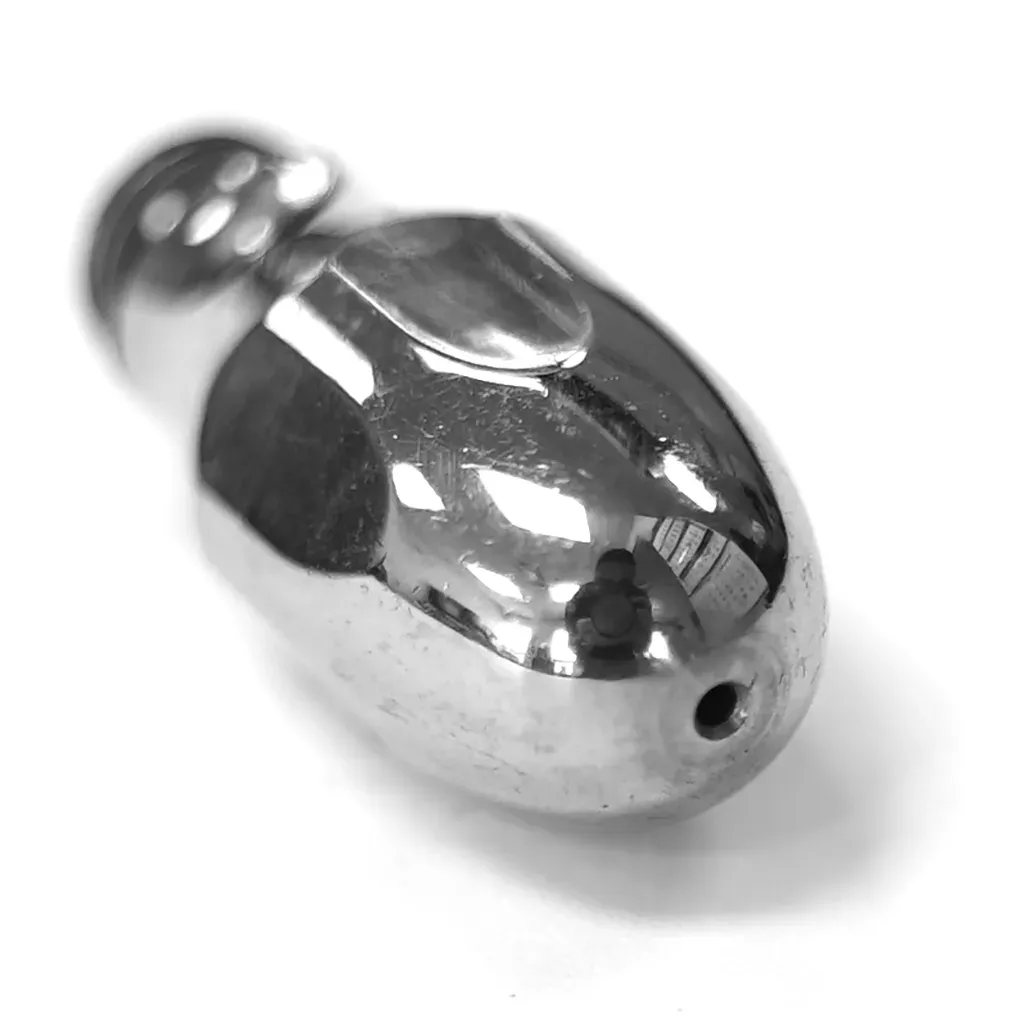
One-hole steam tips direct steam through a single opening. They can provide a straightforward introduction to milk steaming and may be suitable for machines with more limited steam output.
Advantages of 1-Hole Steam Tips
Greater control for beginners: A single steam jet can make it easier to learn how to introduce air gradually and position the wand correctly. This helps beginners develop the coordination needed to create smooth microfoam.
Suitable for smaller espresso machines: Depending on the opening diameter, a one-hole tip may work well with machines that have limited steam capacity. It can provide useful control without requiring the output of a larger commercial system.
Manageable aeration: Some one-hole designs introduce air at a more manageable rate, helping users avoid excessive foam while learning proper technique.
Useful for smaller milk quantities: When preparing a single cappuccino or latte, a one-hole tip may offer enough steaming power without the aggressive flow associated with certain multi-hole designs.
Disadvantages of 1-Hole Steam Tips
Potentially slower steaming: A small opening may restrict steam flow, increasing the time required to heat milk. This can be inconvenient when preparing several drinks in succession.
Concentrated steam delivery: One jet directs steam into a relatively localized area. Depending on the tip design and wand position, the barista may need to make careful adjustments to establish effective circulation.
Lower productivity: A one-hole tip may not be ideal for busy cafés or users who regularly steam larger quantities of milk.
A one-hole steam tip can be a practical choice for beginners and home users who prioritize control over maximum steaming speed.
2-Hole Espresso Steam Tips: Advantages and Disadvantages
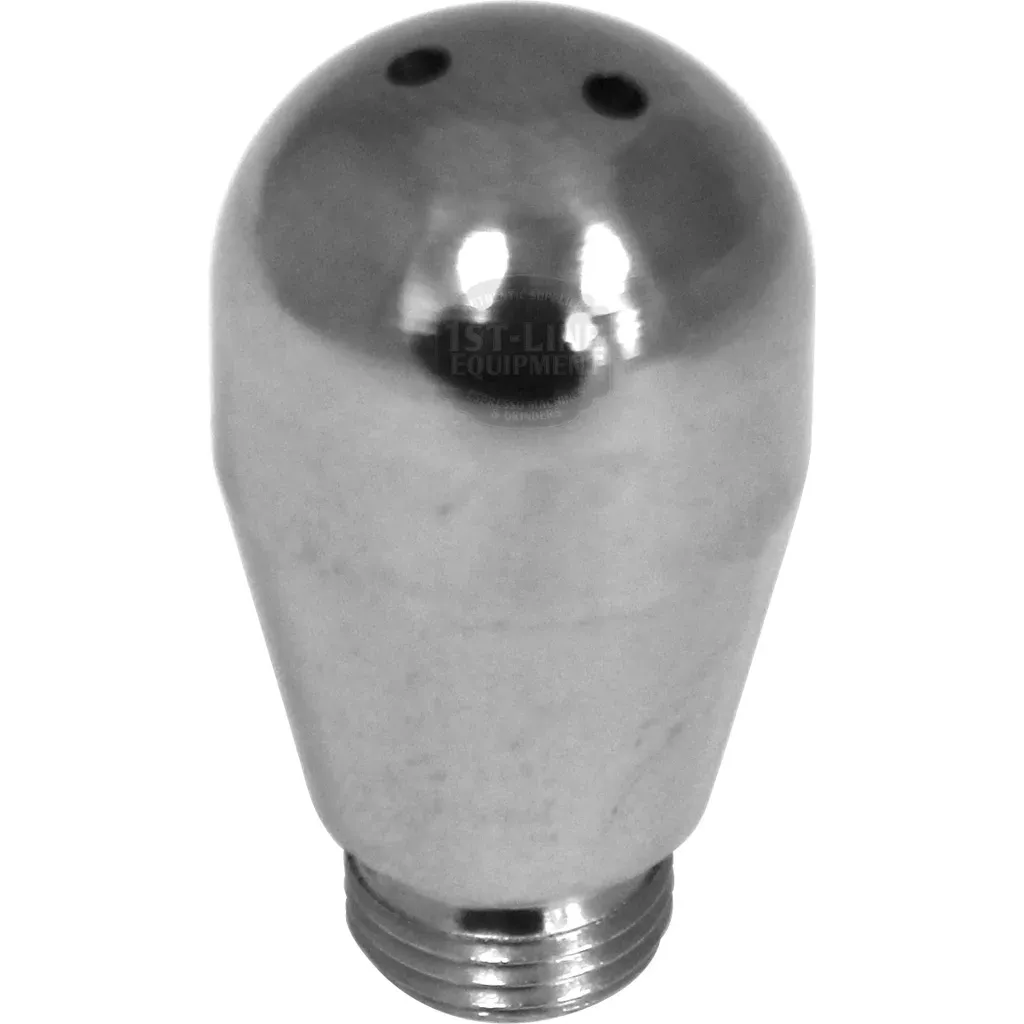
Two-hole steam tips distribute steam through two openings. They often provide a useful compromise between concentrated steam delivery and broader distribution.
Advantages of 2-Hole Steam Tips
A balance of control and speed: Two steam jets may deliver milk-steaming performance that is more efficient than a restrictive one-hole design while remaining manageable for many home baristas.
Versatile for different drinks: A suitable two-hole tip can be used for cappuccinos, lattes, flat whites, and other milk-based beverages.
Potentially improved circulation: The two jets may encourage milk movement through the pitcher, helping the barista establish a rolling motion for even heating and consistent microfoam.
Suitable for many prosumer machines: Two-hole tips can work well on home espresso machines with sufficient steam output, providing a practical balance between performance and control.
Disadvantages of 2-Hole Steam Tips
Performance varies by design: Two openings do not guarantee better steaming than one opening. Hole diameter and combined outlet area are important factors.
Requires correct positioning: Depending on the orientation of the holes, the jets may not create effective circulation unless the wand is positioned correctly.
May not meet commercial demands: A two-hole tip with a small total outlet area may be too slow for high-volume service.
For many home espresso enthusiasts and low volume commercial settings, a two-hole steam tip is a versatile option for daily milk steaming, provided it is compatible with the machine’s steam system.
3-Hole Espresso Steam Tips: Advantages and Disadvantages
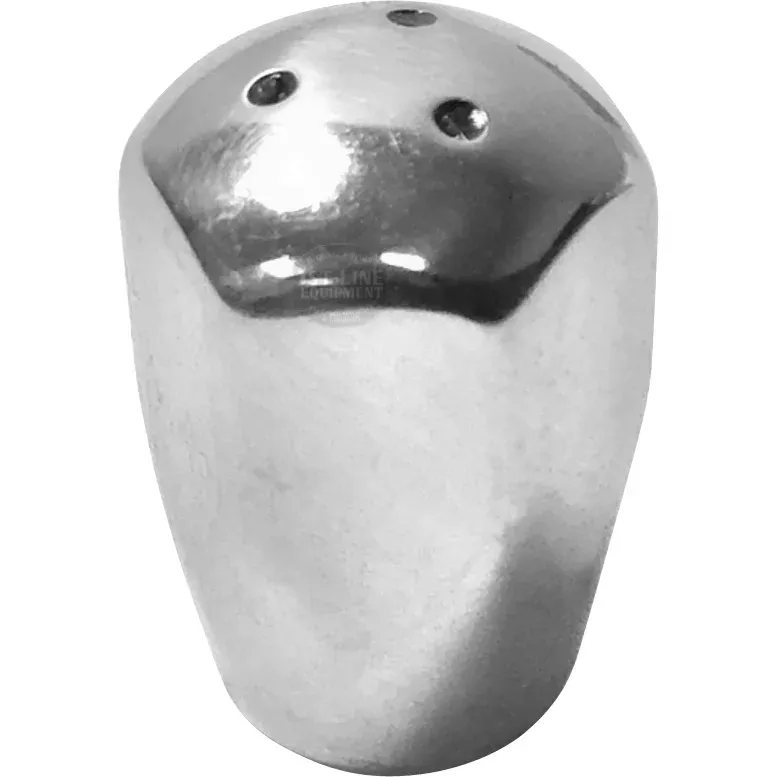
Three-hole steam tips distribute steam through three openings, potentially providing broader steam delivery and more vigorous milk circulation. They are often suitable for machines with greater steam capacity.
Advantages of 3-Hole Steam Tips
Potentially faster milk steaming: When the espresso machine supplies sufficient steam, a three-hole tip may reduce the time needed to heat a pitcher of milk.
Broader steam distribution: Multiple jets can help move milk through different areas of the pitcher, promoting more uniform heating when the tip is correctly designed and positioned.
Greater workflow efficiency: Experienced home baristas and small cafés may benefit from quicker milk preparation when making several drinks.
Potential for consistent microfoam: A well-matched tip can create effective milk circulation, helping distribute air and produce smooth foam.
Disadvantages of 3-Hole Steam Tips
Requires adequate steam output: If the machine cannot sustain sufficient steam flow, the jets may become weak and steaming may take longer than expected.
More challenging for beginners: Multiple jets may introduce air and heat milk quickly, leaving less time for inexperienced users to correct their technique.
Sensitive to hole orientation: The direction of each jet affects milk movement. Poor positioning can lead to uneven circulation or excessive bubbling.
A three-hole steam tip may be a good option for experienced users who want improved steaming efficiency and have a machine capable of supplying sufficient steam.
4-Hole Espresso Steam Tips: Advantages and Disadvantages
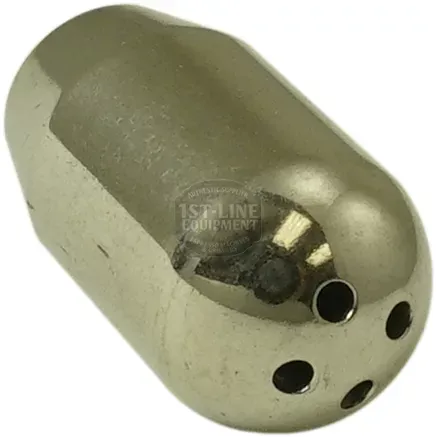
Four-hole steam tips are commonly associated with large commercial espresso machines and demanding milk-steaming applications. Their multiple outlets can distribute steam in several directions and support vigorous circulation.
Advantages of 4-Hole Steam Tips
High steaming productivity: A well-matched four-hole tip can heat milk quickly when connected to an espresso machine with sufficient steam pressure and volume.
Multiple steam jets: Four openings can distribute steam across different points in the pitcher, potentially helping establish a strong rolling motion.
Suitable for larger milk quantities: Certain four-hole tips work well when steaming larger pitchers of milk for multiple beverages.
Efficient commercial workflow: For experienced baristas, a suitable four-hole design can help reduce preparation time during busy café service.
Disadvantages of 4-Hole Steam Tips
High demand for steam capacity: Four openings can require substantial steam delivery, especially when the holes have a large combined outlet area.
Less forgiving technique: Vigorous steam flow may make it more difficult to control aeration, particularly when preparing small quantities of milk.
Not ideal for every machine: A four-hole tip intended for a powerful commercial espresso machine may perform poorly on a smaller home machine.
Potentially excessive for small pitchers: The combination of strong steam flow and a small volume of milk can leave little room for error.
Four-hole tips are worth considering for suitable commercial machines, but compatibility and control should take priority over the number of openings.
5-Hole Espresso Steam Tips: Advantages and Disadvantages
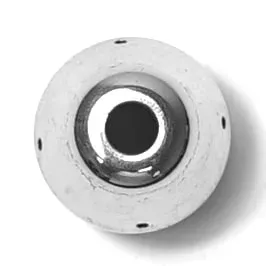
Five-hole steam tips add another steam outlet to the multi-jet designs used on some espresso machines. Depending on their geometry and total outlet area, these tips can distribute steam across several points and may support efficient milk steaming on appropriately equipped machines.
A five-hole tip is not necessarily more powerful than a four-hole tip. Its performance depends on the size and orientation of the holes and the amount of steam the machine can deliver.
Advantages of 5-Hole Steam Tips
Potentially broad steam distribution: Five outlets can distribute steam across multiple points within the pitcher. A well-designed arrangement may help establish circulation across a wider area.
Potential for rapid milk heating: If the combined outlet area and machine steam output are well matched, a five-hole tip may provide efficient heat transfer and reduce steaming time.
Useful for experienced baristas: Baristas who are comfortable controlling aeration and milk circulation may be able to take advantage of a multi-jet configuration to prepare milk efficiently.
Potentially beneficial for larger pitchers: Depending on the tip’s design and the machine’s capabilities, multiple outlets may help maintain circulation when steaming larger quantities of milk.
Can suit specialized commercial setups: Certain machines and steam wand configurations may be designed to work with five-hole tips. When specified by the manufacturer, the appropriate tip can support the intended steaming performance.
Disadvantages of 5-Hole Steam Tips
Potentially demanding steam requirements: Five openings may require substantial steam delivery, depending on their diameter and combined outlet area. A machine that cannot supply enough steam may produce weak jets rather than faster steaming.
Not automatically faster than four-hole designs: If the five holes are small, the total outlet area may be less than that of a four-hole tip with larger openings. Consequently, hole count alone is not a reliable indicator of steaming speed.
Can be difficult to control: Multiple jets may create vigorous circulation and rapid heating, leaving less time to adjust the milk’s aeration. Beginners may produce excessive foam or uneven texture.
May be unsuitable for small milk quantities: A high-output five-hole tip may be unnecessarily aggressive for a small pitcher or a single drink, particularly when installed on a powerful machine.
Compatibility is especially important: Steam tips are not universally interchangeable. Thread size, tip length, sealing arrangements, internal geometry, and manufacturer specifications must be checked before installing a replacement.
A five-hole steam tip is best evaluated as a specialized option rather than an automatic upgrade. It can be useful when the espresso machine is designed to support it, but it may provide little benefit—or even reduce performance—when poorly matched to the steam system.
How Steam Tip Hole Patterns Affect Milk Texture
In addition to the number of holes, the pattern and orientation of the openings influence how steam enters the milk. Two tips with the same hole count can perform differently because the steam jets may point in different directions.
Symmetrical Steam Tip Patterns
Symmetrical designs arrange the holes evenly around the tip or in a balanced configuration.
Advantages:
- May provide balanced steam distribution.
- Can support repeatable milk-steaming technique.
- May help create consistent circulation when paired with suitable wand positioning.
Disadvantages:
- May not create the ideal rolling motion in every pitcher.
- Performance depends on the orientation of the tip and the machine’s steam output.
Angled or Directional Steam Tip Patterns
Angled or directional designs position the holes to direct steam outward or toward particular areas of the pitcher.
Advantages:
- Can encourage rotational movement and a rolling vortex.
- May help distribute heat and air more effectively.
- Can support the production of fine microfoam when properly used.
Disadvantages:
- May require precise wand positioning.
- Incorrect orientation can produce irregular circulation or excessive bubbling.
Radial or Multi-Directional Steam Tip Patterns
Radial and multi-directional designs distribute steam through multiple openings arranged around the tip.
Advantages:
- Can spread steam across several areas of the pitcher.
- May encourage broad milk circulation.
- Can support efficient steaming on suitably designed machines.
Disadvantages:
- Can be challenging to control for inexperienced users.
- May perform poorly when the machine lacks sufficient steam capacity.
- The resulting circulation may vary with pitcher size and wand position.
The most effective pattern depends on the machine, pitcher, milk volume, and barista technique. A larger number of directional jets is not a guarantee of better milk texture.
Why Hole Diameter and Total Outlet Area Matter
The number of holes is only one part of steam tip design. Hole diameter and combined outlet area can be just as important.
For example, a five-hole tip with five small openings may have a smaller total outlet area than a two-hole tip with two larger openings. The two-hole design may therefore allow greater steam flow under some operating conditions.
A larger total outlet area may allow more steam to pass through when the machine can supply it. However, actual performance also depends on the steam valve, boiler capacity, operating pressure, internal passages, and the characteristics of the steam itself.
Choosing a steam tip based solely on hole count can therefore lead to disappointing results. A tip that is too restrictive may limit steam flow, while a tip with a greater flow demand than the machine can satisfy may deliver weaker-than-expected performance.
For replacement steam tips, check the manufacturer’s recommended specifications and compatibility information rather than assuming that more holes or larger holes will improve performance.
How to Choose the Right Espresso Machine Steam Tip
Selecting the right steam tip begins with understanding the espresso machine’s capabilities and the user’s milk-steaming requirements.
For beginners: A one-hole or two-hole tip may offer a manageable starting point. These designs can make it easier to learn aeration, milk circulation, and temperature control.
For everyday home use: A two-hole tip can provide a useful balance of control and speed. A three-hole tip may be appropriate for a home or prosumer espresso machine with stronger steam output and a user who is comfortable with more vigorous circulation.
For experienced baristas: Two-hole, three-hole, or other manufacturer-approved designs may be suitable depending on preferred steaming speed, pitcher size, and steam capacity.
For commercial cafés: Three-hole and four-hole tips can support efficient milk preparation when the machine provides sufficient steam. A five-hole tip may be appropriate for certain commercial setups when specified or supported by the machine manufacturer. Two hole tips with larger holes may also be appropriate for certain commercial espresso machines.
For larger milk quantities: Consider the intended pitcher size, steam output, and the design of the tip. A multi-hole configuration can be helpful, but only if it creates effective circulation and sufficient steam flow.
Before replacing a steam tip, verify the thread size, dimensions, sealing requirements, and compatibility with the exact espresso machine and steam wand. Do not assume that tips from different brands or models are interchangeable.
Steam Tip Cleaning and Maintenance
Even the best-designed steam tip will not perform properly if its openings become blocked by dried milk residue or mineral deposits.
After each use, wipe the steam wand with a clean, damp cloth and purge it according to the manufacturer’s instructions. This helps clear residual milk from the tip and wand.
Periodically inspect the openings for blockages. Uneven steam jets, reduced steam output, or an unexpected change in milk circulation may indicate that the tip needs cleaning or inspection.
Use only cleaning methods and tools approved by the machine manufacturer. Avoid enlarging the holes or scratching their surfaces, as changes to the openings can alter steam delivery and performance.
Always follow the manufacturer’s instructions when removing or reinstalling a steam tip. The wand may remain hot and pressurized after use, so allow it to cool and depressurize as directed before servicing it.
Frequently Asked Questions About Espresso Machine Steam Tips
1. Is a 4-hole steam tip better than a 2-hole steam tip?
Not necessarily. A four-hole tip may provide faster steaming and broader steam distribution on a machine with sufficient steam capacity. A two-hole tip may offer better control on a smaller machine or when preparing small quantities of milk. The best option depends on hole diameter, total outlet area, machine performance, technique, and volume of milk.
2. Is a 5-hole steam tip better than a 4-hole steam tip?
Not automatically. A five-hole tip provides an additional steam outlet, but that does not guarantee greater steam flow or faster steaming. Hole diameter, total outlet area, and machine capacity determine whether the additional opening provides a practical benefit.
3. Which steam tip is best for beginners?
A one-hole or two-hole tip is often a reasonable starting point, depending on the espresso machine. These configurations may provide manageable steam delivery while the user learns to introduce air gradually and create a consistent rolling motion.
4. Which steam tip is best for commercial espresso machines?
Three-hole and four-hole tips are common options for machines designed for commercial milk steaming. Some systems may also support five-hole tips. The correct configuration depends on the manufacturer’s recommendations, steam capacity, and expected drink volume (pitcher size and speed of service).
5. Does a steam tip with more holes create better microfoam?
No. Microfoam depends on introducing the right amount of air, controlling milk temperature, and creating effective circulation. A higher hole count can change steam distribution and steaming speed, but it does not guarantee smoother foam.
6. Do larger steam tip holes make milk steam faster?
They can allow greater steam flow when the machine can supply it, but larger holes do not guarantee faster steaming in every situation. The machine’s steam capacity, operating pressure, total outlet area, and tip design all affect performance.
7. Can I replace a 2-hole tip with a 4-hole or 5-hole tip?
Only if the replacement is compatible with the specific espresso machine and steam wand. Matching the thread alone may not be sufficient. The replacement must also be appropriate for the machine’s boiler capacity and intended operating specifications.
8. Why does my multi-hole steam tip produce weak steam?
Possible causes include insufficient steam pressure, limited boiler capacity, a partially blocked tip, a restricted steam valve, or a problem elsewhere in the steam system. Clean and inspect the tip according to the manufacturer’s instructions. If steam performance remains weak, the machine may require professional inspection.
9. Why does milk foam too quickly with a multi-hole steam tip?
A multi-hole tip may introduce air and heat milk more quickly than the user expects, depending on its design and the machine’s output. Try keeping the wand tip just below the milk surface after the initial aeration stage and focus on creating a controlled rolling motion. If the tip remains too aggressive, a manufacturer-approved alternative may be more suitable.
10. Does the angle of the steam tip holes matter?
Yes. Hole orientation affects the direction of the steam jets and can influence milk circulation. Some patterns help establish a rolling vortex more readily than others, depending on pitcher shape and wand position. However, no single pattern is ideal for every machine or technique.
11. How often should an espresso steam tip be cleaned?
The steam wand should be wiped and purged after every use according to the manufacturer’s instructions. The tip should also be inspected periodically for blocked openings and cleaned as needed. Regular maintenance helps maintain consistent steam distribution and milk quality.
12. Can a blocked steam tip affect espresso extraction?
A blocked steam tip primarily affects milk steaming rather than the espresso extraction process itself. However, a blockage can reduce steaming performance and disrupt café workflow. If the blockage is part of a wider steam-system problem, the machine may need further inspection.
Conclusion: Choosing the Best Steam Tip for Your Espresso Machine
Espresso machine steam tips are available in one-hole, two-hole, three-hole, four-hole, and five-hole configurations, each offering potential advantages and disadvantages. One-hole tips may provide a manageable learning curve, two-hole tips can offer a useful balance for everyday use, and three-hole or four-hole designs may improve productivity on machines with sufficient steam output. Five-hole tips can offer additional steam distribution in suitable systems, but they are not automatically faster or better.
Hole patterns, opening diameter, total outlet area, steam pressure, boiler capacity, and barista technique all influence the final result. The best steam tip is the one that works with the machine’s design and helps the user consistently produce the desired milk texture.
Whether replacing a worn steam tip or optimizing a commercial espresso setup, prioritize manufacturer compatibility, appropriate steam flow, ease of control, and proper maintenance over hole count alone. A correctly matched steam tip can help improve milk-steaming consistency, workflow efficiency, and the quality of cappuccinos, lattes, and other espresso-based beverages.
