

By Public Relations, 1st-line Equipment, LLC
Routine cleaning and preventive maintenance preserve performance and extend the service life of an Elektra espresso machine. Regular upkeep maintains extraction quality and reduces component degradation. This guide lists practical steps and schedules for daily, weekly, and monthly care that are straightforward to integrate into routine operations.
Comprehensive Guide to Cleaning and Maintaining Your Elektra Espresso Machine
Maintenance is a set of repeatable tasks scheduled into normal operations. Consistent cleaning prevents oil and mineral buildup and supports thermal and hydraulic efficiency. A documented regimen lowers the risk of service incidents and preserves beverage quality. The following sections offer procedural guidance and the tools required to keep the equipment in working condition.
Effective Care Techniques
Use targeted techniques: remove residues regularly, apply detergents designed for espresso equipment, and follow manufacturer recommendations. Defining daily, weekly, and monthly task lists, based on usage of equipment, mitigates wear and keeps the machine reliable. Increased use may increase frequency of maintenance tasks.
Essential Daily Cleaning Steps
Daily cleaning prevents residue buildup and keeps extraction consistent. Perform the following actions after service or between shifts as needed.
Clean the Portafilter: After each use, rinse the portafilter under hot water, from machine grouphead or water wand, through grouphead, the dispersion screen to remove coffee grounds and oils.
Rinse the Steam Wand: Purge the steam wand after every use to prevent milk residue from hardening. Wipe down the steam wand with a moist terry cloth.
Wipe Down the Machine: Use a damp cloth to wipe the exterior, removing spills or stains.
Applying these daily steps preserves cleanliness and operational readiness.
For maintenance consumables and specialised accessories, 1st-line Equipment LLC supplies cleaning agents and tools compatible with Elektra equipment to support routine servicing.
Efficient Group Head Maintenance

The group head is a key hydraulic interface that needs regular attention. Backflushing after every 50 espresso extraction with a blind filter and an appropriate espresso cleaner removes oils and particulate matter. Use a soft brush to clean sealing portafilter gaskets and the dispersion screen to reduce fouling and protect seals.
Recommended Cleaning Tools
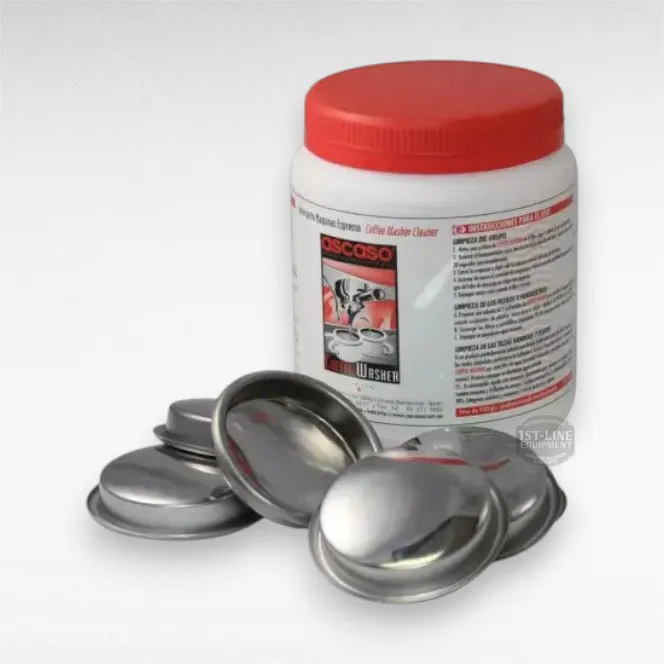
Choosing the right tools improves efficiency and lowers the risk of damage. Recommended items address service points and dose chemicals safely.
Regular use of these tools keeps surfaces sanitary and components operating within expected tolerances.
Scheduling for Weekly and Monthly Maintenance Tasks
Beyond daily work, schedule weekly and monthly tasks to address longer-term deposits. Weekly routines should include group head backflushing every 50 extractions and a deep steam wand clean using a steam wand cleaner. Descaling every 3-12 months manages scale that impairs heat transfer and pump efficiency. Descaling too often can degrade boiler metals and gaskets by corroding them. Descaling can also open up holes sealed by limescale. A service log helps maintain the schedule and aids diagnosis.
Key Descaling Procedures
Descaling reduces/removes mineral deposits that reduce thermal transfer and flow. Perform descaling every 3-12 months depending on water hardness and usage, and follow a controlled procedure to protect internal parts and gaskets. If descaling more often, a light descaling product may be better.
Prepare the Descaling Solution: Use a descaling solution formulated for espresso machines. Follow recommendations by manufacturer.
Run the Solution Through the Machine: Follow the manufacturer’s instructions for circulation and contact time. 1st-line Equipment has general descaling procedures for different espresso machine types.
Rinse Thoroughly: After descaling, run clean water through the machine until no residue remains. Ensure all metals, corroded by detergent, are removed.
1st-line Equipment LLC provides descaling products formulated for compatibility with Elektra equipment to help with safe and effective scale removal.
Tips for Maintaining Accessories and Water Quality
Water quality affects scale and beverage character. Implement water treatment and regular tank sanitation to control particulates and biological contamination.
Use Softened and Filtered Water: Prefer filtered or bottled water to reduce mineral buildup.
Clean the Water Tank: Clean the water tank regularly (minimum every two weeks) to prevent algae and bacterial growth.
Monitor Water Hardness: Test hardness and adjust descaling frequency accordingly.
Softening, filtration, tank cleaning, and hardness monitoring preserve efficiency and support consistent flavor.
Overall Simplicity of the Cleaning Process
The workflow for an Elektra machine is procedural and fits standard operating procedures. A consistent schedule and the right tools preserve reliability, extend service life, and maintain extraction quality. With practiced routines, maintenance becomes a straightforward part of equipment management.
Frequently Asked Questions
1. How often should I clean my Elektra espresso machine?
Do daily rinses and wand purges/cleaning after each use, backflush the group head after every 50 espresso shots, and descale every 3-12 months based on water hardness to ensure reliable performance.
2. What should I consider when choosing cleaning solutions for my espresso machine?
Use cleaning agents made for espresso equipment that remove oils without harming seals or internal components; confirm compatibility and follow concentration and contact-time directions.
3. Can I use tap water in my Elektra espresso machine?
Tap water often contains minerals that cause scale and can affect flavor. Use softened and filtered water where practical to reduce scale and maintain consistency. Water that is too pure can corrode metals and not allow the machine to work properly.
4. What are the signs that my espresso machine needs descaling?
Signs include leaks, longer brew times, off tastes, reduced steam output, or visible mineral buildup at the group head or reservoir. Descale promptly to restore performance. Descaling a leak may make the leak worse.
5. How do I properly clean the steam wand of my Elektra espresso machine?
Purge the wand after each use, wipe the exterior with a moist terry cloth, and use a wand brush or internal cleaning tool to remove protein buildup and preserve frothing performance.
6. Is it necessary to use a blind filter for backflushing?
Yes. A blind filter occludes the portafilter so cleaning solution generates pressure inside the group head, dislodging oils and residues from internal channels.
7. How can I improve my cleaning routine for my espresso machine?
Document daily, weekly, and monthly tasks; use purpose-built tools and approved detergents; and train personnel on component locations to improve consistency and longevity.
Conclusion
Regular cleaning and preventive maintenance helps preserve Elektra espresso machine performance and longevity while supporting consistent beverage quality. Follow core procedures, use accredited cleaning products, and keep a documented schedule to maintain operational readiness and reproducible extraction.
