

By Public Relations, 1st-line Equipment, LLC
Elektra espresso machines are recognised for their craftsmanship and operational performance, which explains their use by both enthusiasts and professional operators. This guide compares Elektra models, emphasising distinctive features, usability considerations, and maintenance requirements so readers can assess machines for domestic or commercial deployment. The analysis covers model differentials, performance indicators, and accessories that influence espresso preparation, helping prospective purchasers match equipment to brewing objectives.
What Distinguishes Elektra Espresso Machine Models?
Elektra machines share a clear design language and use technologies tailored to different user needs. Principal differentiators are boiler architecture, steam wand specification, and the target user profile. Understanding these attributes helps identify the model best suited to a given operating environment.
How Do Boiler Types and Steam Wand Features Vary Across Models?

Elektra offers single- and dual-boiler configurations. Single-boiler units, like the Mini Verticale A1/A1Care more compact and suited to residential use; heat exchange designs and dual-boiler systems permit simultaneous extraction and steaming, which benefits high-volume settings. Steam wand designs range from basic to professional-grade, with higher-spec wands improving milk texturing for café-standard beverages.
Which Elektra Models Are Optimized for Commercial Versus Home Use?
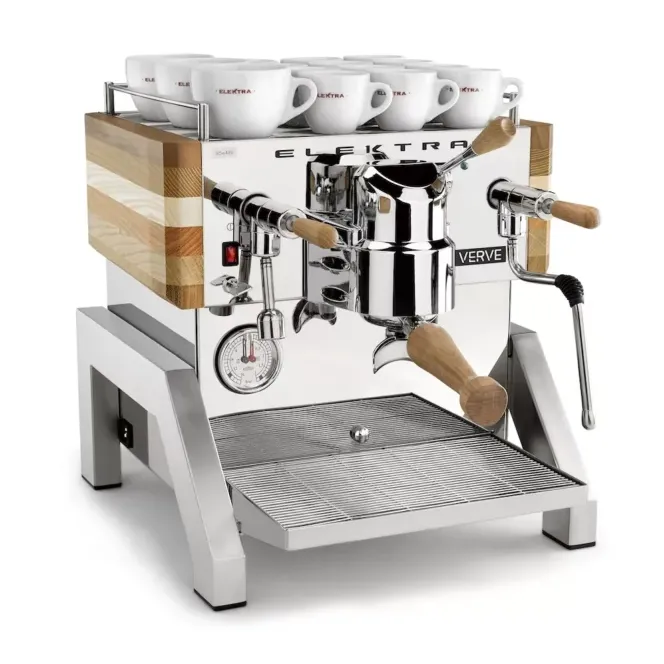
Choose a model based on the intended environment. Commercial models, such as the Elektra Verve, are built for sustained, high-volume operation with reinforced construction and refined temperature control. Home-oriented models, like the Elektra Mini Verticale A1/A1C, prioritize a compact footprint and simplified interfaces to deliver high quality with lower operational complexity. For authorized espresso machines and accessories, consult suppliers such as 1st-line.
How to Evaluate Elektra Espresso Machine Performance and Usability?
Evaluate technical parameters and ergonomic design elements, since these directly affect beverage quality, consistency, and operator experience.
What Are the Key Technical Specifications Impacting Espresso Quality?
Key specifications include pressure regulation, temperature stability, and extraction time. Machines that maintain stable pressure profiles and brew temperatures produce more reproducible extraction and fuller flavour. Models with PID control provide finer temperature management for precise extraction and more consistent cup quality.
How Do Design and Usability Features Enhance Barista Efficiency?
Ergonomic controls, intuitive interfaces, and sturdy construction improve efficiency. Programmable dosing and temperature presets support consistent replication, while easy-to-clean, accessible components reduce maintenance downtime—important where throughput and consistency matter.
What Are Essential Maintenance Practices for Elektra Espresso Machines?
A structured maintenance regimen sustains reliability and beverage quality. Preventive maintenance minimizes performance degradation and reduces the risk of failures.
Which Routine Maintenance Tasks Ensure Longevity and Performance?
Routine tasks include daily backflushing of the brew circuit and portafilter cleaning to prevent residue build-up, weekly or monthly testing of water hardness and taking appropriate reactions for water treatment and/or descaling dictates, and regular inspection of the steam wand and boiler seals. Periodic professional servicing will identify and address emerging mechanical or thermal-control issues.
Which Accessories Complement Elektra Espresso Machines for Optimal Operation?

Selecting compatible accessories improves extraction consistency, milk texturing, and operational efficiency.
What Steam Wand and Grinder Accessories Are Compatible?
Compatible items include calibrated grinders and espresso tampers. Pairing the machine with a precision tamper ensures uniform particle size distribution and pressure, essential for consistent extraction and flavor fidelity.
How Do Accessories Influence Brewing Quality and Efficiency?
Accessories materially affect extraction quality and operational flow. A quality tamper promotes even puck density and uniform extraction. Dedicated milk-frothing tools improve milk texture and simplify preparation of café-style beverages, contributing to consistent drink quality and a streamlined workflow.
Frequently Asked Questions
What is the best way to clean an Elektra espresso machine?
Cleaning requires a routine sequence to maintain performance. Perform daily flushing of the brew group and clean the portafilter to prevent residue. Conduct weekly backflushing every 50 extractions or where necessary, and regularly clean and inspect the steam wand for blockages. Follow the manufacturers recommended agents and procedures to avoid damage and preserve warranty coverage.
Are Elektra machines energy-efficient?
Elektra designs can support energy efficiency, especially commercial models with programmable idle settings. Dual-boiler and HX architectures may improve thermal management by keeping separate temperature zones and reducing cycling losses. Energy performance varies by model and usage; review specifications and user data when assessing consumption.
Can Elektra espresso machines brew both espresso and other coffee styles?
Many Elektra espresso machines prepare beverages beyond straight espresso. With proper extraction settings and steam control, they can make Americanos, cappuccinos, and lattes. Effective milk steaming supports a range of milk-based drinks—confirm a models functional scope for multiple formats.
What types of coffee beans are best for use with Elektra machines?
Elektra machines work with a broad range of beans; optimal results usually come from freshly roasted beans blended or selected for espresso and ground to the correct fineness. Single-origin beans offer distinctive profiles while blends often deliver balance and consistency. Test roast levels and grind settings to find the preferred flavor.
How does an Elektra espresso machine compare to other brands?
Elektra is noted for aesthetic design, build quality, and mechanical robustness. Compared with some manufacturers that favor automation or integrated connectivity, Elektra may priorities craftsmanship and durability. Compare technical specifications, total cost of ownership, and intended use case when evaluating alternatives.
What safety features should I look for in an Elektra espresso machine?
Verify features such as automatic shut-off or standby to prevent overheating, pressure-relief valves to mitigate overpressure, and materials rated for thermal exposure. Insulated boilers reduce surface-temperature risks, and clear indicators support safe operation. Consult technical specifications to confirm safety mechanisms.
Conclusion
Acquiring an Elektra espresso machine grants access to equipment that combines thoughtful engineering and refined manufacture. These machines can provide precise thermal and pressure control that support consistent beverage quality. Choosing the model that matches the intended application will enhance reliability and consistency. Review the model range and compatible accessories to decide the optimal configuration for your brewing needs.
