

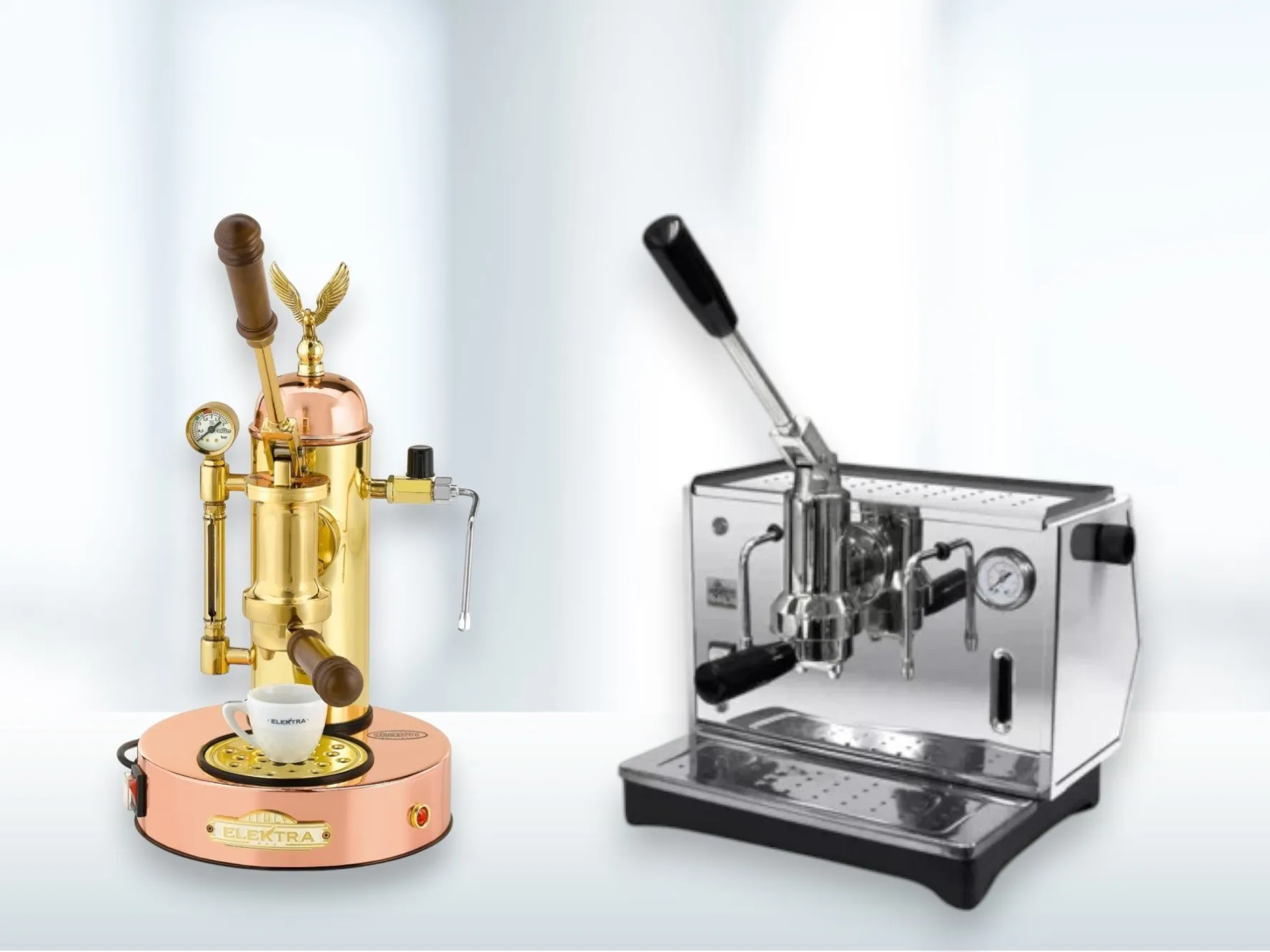
Every coffee enthusiast faces the pivotal choice of control versus convenience when selecting an espresso machine. Understanding whether a manual espresso machine or an automatic model aligns with your priorities is essential for achieving café-quality results at home or in a commercial setting. This guide defines each machine type, contrasts their core differences, explores pros and cons, and provides feature-by-feature comparisons before guiding you through maintenance, total cost of ownership, and the crucial role of a quality coffee grinder. Whether you’re a home barista, a café owner, or a busy professional seeking consistency, this article will help you decide which espresso machine wins for your needs.
What Are the Key Differences Between Manual and Automatic Espresso Machines?
A clear distinction between manual and automatic espresso machines lies in how each system generates pressure, controls extraction parameters, and engages the user in the brewing process. Manual machines use lever mechanisms to directly pressurize water, offering tactile feedback and customization, while automatic models rely on electric pumps and programmable settings to streamline brewing and deliver consistent shots with minimal input.
What Is a Manual Espresso Machine and How Does It Work?
A manual espresso machine combines a lever mechanism with a piston to physically pressurize water through tamped coffee grounds, which grants baristas direct control over extraction variables. The lever assembly either uses a direct-pull design—where the user exerts force on a lever to push water through—or a spring-piston system that stores potential energy in a spring for a more uniform pressure profile. This hands-on mechanism enables fine-tuning of pressure profiling, flow rate, and extraction timing for craft-level espresso customization.
What Defines an Automatic Espresso Machine?
An automatic espresso machine automates one or more aspects of the brewing process—ranging from semi-automatic models with electric pumps to super-automatic, bean-to-cup machines that handle grinding, tamping, brewing, and milk frothing at the touch of a button. Full-automatic machines provide volumetric or timed controls for shot length, whereas fully automatic and super-automatic models integrate programmable pressure settings, built-in grinders, and automated milk systems to deliver rapid, repeatable espresso shots without extensive barista training.
How Do Control and User Skill Differ Between Manual and Automatic Machines?
Manual espresso machines demand advanced barista skill to regulate variables such as grind size, tamp pressure, lever speed, and extraction time for each shot. This high level of involvement rewards enthusiasts with unparalleled creative freedom, but comes with a steep learning curve. Automatic machines—especially super-automatic models—minimize user intervention by predefining brewing parameters and automating routines, making them ideal for beginners, busy households, and commercial environments that require consistent quality and speed without specialized training.
What Are the Pros and Cons of Manual Espresso Machines?
Manual espresso machines deliver a hands-on brewing ritual, but mastering them requires dedication and practice. Understanding these trade-offs helps you determine if a lever-style machine fits your lifestyle and aspirations.
What Advantages Do Manual Espresso Machines Offer for Coffee Enthusiasts?
Full Extraction Control – Precise adjustment of pressure profiles and flow rates enables extraction of nuanced flavor compounds.
Artisanal Craftsmanship – The tactile lever action fosters a direct connection to brewing science and traditional techniques.
Customization Flexibility – Parameters such as pre-infusion time and pressure ramp-up can be tailored shot by shot.
Durability and Simplicity – Mechanical components are often easier to service, with fewer electronic parts subject to failure.
Aesthetic Appeal – Lever machines showcase elegant design and appeal as centerpieces in specialty coffee setups.
What Challenges and Limitations Come with Manual Espresso Machines?
Steep Learning Curve – Mastering lever operation and pressure profiling demands consistent practice and technical understanding.
Time-Intensive Workflow – Each shot requires manual effort, making high-volume serving impractical.
Accessory Dependence – External grinders, precision scales, and high-quality tampers are essential for repeatable results.
Variable Consistency – Extraction uniformity hinges on the operator’s skill level and technique every time.
Who Is the Ideal User for Manual Espresso Machines?
Professional baristas and seasoned coffee enthusiasts seeking a ritualistic, hands-on brewing process find manual lever machines most rewarding. Their ideal user values creative extraction control, enjoys experimenting with pressure curves, and appreciates durable, mechanically driven equipment rather than fully automated convenience.
What Are the Pros and Cons of Super-Automatic Espresso Machines?
Super automatic espresso machines excel at simplifying brewing through programmable features and integrated components. Evaluating their benefits and drawbacks clarifies who gains the most from automated convenience.
What Benefits Do Super Automatic Espresso Machines Provide for Convenience and Consistency?
Ease of Use – One-touch brewing and volumetric controls reduce barista training requirements.
Speed – Built-in grinders and pre-set brewing cycles produce shots in under one minute.
Integrated Features – Some models include automatic milk frothers, pre-infusion controls, and digital temperature stability.
Consistent Results – Electronic PID controllers and pump pressure regulation ensure uniform extraction that’s reproducible across shots.
Programmable Settings – Personalized drink profiles can be saved and recalled for different users or beverages.
What Are the Common Drawbacks of Automatic Espresso Machines?
Limited Manual Control – Users may be unable to fine-tune pressure profiles or flow rates beyond factory presets.
Higher Initial Cost – Super-automatic machines with advanced features often carry premium price tags.
Complex Maintenance – Internal grinders, milk circuits, and brewing modules require specialized cleaning and occasional professional servicing.
Restricted Customization – Modifying extraction nuances shot by shot is more challenging than on a lever system.
Very Hot Beverages – Users report beverages not as hot on lower end machines.
Limited Roast Profiles – Built in grinders typically cannot utilized very light or oily roasted coffee beans.
Which Users Benefit Most from Automatic Espresso Machines?
Beginners, busy households, small offices, and cafés with moderate volume benefit from superautomatic machines. Their target users seek consistent specialty coffee at scale without mastering barista techniques, making rapid turn-arounds and simple maintenance top priorities.
How Do Manual and Automatic Espresso Machines Compare Feature-by-Feature?
A side-by-side evaluation of critical attributes reveals clear trade-offs between manual and automatic systems (includes semi-automatic, full-automatic, and super-automatic). The following table compares control, skill requirements, brewing performance, maintenance demands, and customization options.
How Should You Choose Between Manual and Automatic Espresso Machines?
Your ideal espresso machine depends on overlapping factors such as budget, skill ambition, time availability, coffee volume needs, and desired drink variety. Evaluating these elements ensures you select a machine that aligns with your priorities.
What Factors Should Influence Your Espresso Machine Choice?
Consider these five key factors before deciding:
Budget – Determine your equipment spend and separate allocation for accessories and maintenance.
Skill Level – Assess your willingness to learn barista techniques or preference for one-touch operation.
Time Commitment – Evaluate how much time you can devote to brewing and cleaning per shot.
Volume Requirements – Estimate daily shot demand in home, office, or commercial contexts.
Drink Variety – Decide if you need flexible profile adjustments for different beverages or standard espresso and milk drinks.
Balancing these considerations helps you narrow options and invest confidently in a machine that matches your routine and aspirations.
What Are the Best Recommendations for Different User Personas?
Home enthusiasts seeking a hands-on ritual benefit from lever machines like the Flair 58, Elektra Microcasa a Leva, or ACS Vostok Lever, paired with a precision burr grinder. Busy professionals and small offices find super-automatic models such as the Jura Z10 ideal for rapid, consistent drinks. Café owners and food-truck vendors often prefer semi-automatic machines from established brands to blend user control with efficiency. Each persona achieves optimal performance by aligning machine capabilities with real-world needs and service demands.
Why Is the Coffee Grinder Essential for Both Machine Types?
A precise coffee grinder underpins high-quality espresso on any machine. Uniform burr grinding ensures consistent extraction in manual lever systems and reliable dosing in automatic machines. Investing in a grinder compatible with your machine—such as a conical-burr model for manual brews or an integrated grinder accessory for automatic units—maximizes flavor clarity, crema stability, and overall shot quality.
How Do Maintenance and Longevity Compare for Manual vs Automatic Machines?
Routine care practices directly influence the lifespan and performance of espresso equipment. Manual machines often require straightforward cleaning, while automatic systems demand more intricate maintenance protocols to avoid issues.
What Are the Cleaning and Descaling Requirements for Manual Machines?
Manual lever machines rely on simple mechanical parts that you can rinse and backflush with detergent solutions. Key maintenance steps include:
Daily rinsing of group head and portafilter
Weekly backflushing to remove coffee oils
Descaling, as needed per water hardness, using a citric-acid solution
These uncomplicated procedures keep seals and valves operating smoothly and set the stage for effortless future maintenance.
How Is Maintenance More Complex for Automatic and Super-Automatic Machines?
Automatic and super-automatic machines can integrate grinders, brewing chambers, and milk circuits that need segmented cleaning and descaling cycles. Common requirements include:
Automatic or manual cleaning cycles for the brew units and dispensing chutes
Regular emptying and cleaning of drip trays, grounds containers, and milk reservoirs
Periodic removal and cleaning of internal brew modules
Scheduled cleaningof grinder burrs and dosing chutes
This complexity ensures optimal performance but may necessitate professional servicing for advanced troubleshooting.
How Can Proper Maintenance Extend Your Espresso Machine’s Lifespan?
Adhering to recommended maintenance schedules strengthens component longevity and prevents costly repairs:
Replace water filters and seals as needed or recommended
Lubricate lever joints and guide rods on manual machines with food grade grease
Clean grinder burrs every 3–6 months to maintain grind consistency
Document maintenance logs to anticipate parts replacement
Consistent care preserves extraction quality and protects your investment across years of daily use.
What Is the Total Cost of Ownership for Manual and Automatic Espresso Machines?
Understanding the full financial commitment helps you evaluate long-term value beyond the initial purchase price. Total cost of ownership (TCO) for espresso equipment includes water quality, electrical protection, accessories, maintenance, coffee beans, and time investment.
How Do Accessories, Maintenance, and Coffee Bean Costs Affect Overall Expenses?
Accessories such as grinders, tampers, dosing tools, and water treatment systems add to upfront costs. Ongoing expenditures include:
Replacement water treatment items ($20–$50 annually)
Descaler and cleaning supplies ($30–$60 per year)
High-quality specialty coffee beans ($15–$30 or more per pound)
Surge Suppressors ($50-$500)
Manual setups often require more accessory investment, while automatic machines bundle some components but incur higher service costs.
What Time Investment Is Required for Each Machine Type?
Manual espresso brewing generally takes 1–2 minutes per shot for setup, extraction, and cleanup. Automatic machines reduce per-shot time to under one minute, but periodic deep cleaning may require 30–60 minutes weekly. Balancing time costs with lifestyle demands ensures you choose a system that fits your routine.
How Does Long-Term Value Differ Between Manual and Automatic Machines?
Manual machines offer enduring mechanical simplicity that can outlast electronic models, delivering value through upgradeable parts and timeless design. Automatic machines provide immediate productivity gains and consistency, which can translate to higher throughput and revenue in commercial settings. Evaluating usage patterns and service needs clarifies which model yields superior long-term return on investment.
Manual and automatic espresso machines each present compelling advantages: manual models excel in craftsmanship, control, and durability, while automatic units deliver speed, consistency, and ease of use. By aligning your budget, skill level, time availability, coffee volume, and customization priorities, you’ll determine which system truly wins for your espresso journey. At 1st-line.com, our expert guidance and curated selection of premium machines and grinders ensure you make an informed choice and enjoy every shot.
