

Selecting an appropriate commercial espresso machine is integral to consistent beverage quality and reliable operation. This guide reviews machine categories, manufacturer attributes, routine maintenance procedures, and auxiliary equipment. The analysis helps operators choose equipment that matches service volume, staff skill levels, and efficiency goals.
What Are the Key Types of Commercial Espresso Machines for Cafes?
Commercial espresso machines come in configurations suited to different operational needs and operator skill. Understanding the differences among automatic, semi-automatic, and manual lever machines supports an evidence-based procurement decision for a given service model.
How Do Automatic, Semi-Automatic, and Manual Machines Differ?
Automatic machines control extraction parameters and minimize operator intervention, improving shot-to-shot consistency. Semi-automatic units require the operator to start and stop extraction, giving more control over timing while still automating water delivery. Manual lever machines put pressure and flow control in the operator’s hands and suit craft-level extraction. Each architecture involves trade-offs in consistency, throughput, and staffing skill.
Which Boiler and Pressure Features Impact Cafe Performance?
Boiler configuration and pressure regulation affect steaming capacity and extraction stability. HX and dual-boiler systems allow simultaneous steam production and extraction, increasing throughput during peak service. Accurate pressure control supports repeatable extraction profiles and flavour consistency; choose boiler and pressure-management systems to match expected service levels.
Managing variables such as grind size and water pressure precisely is essential to reproducible extraction and optimal espresso quality.
Optimizing Espresso Quality: Understanding Machine Parameters
Factors evaluated include coffee ground size, coffee ground amount and water pressure after machine-cleaning procedures were applied to the different group heads of each machine.
Correlating espresso quality with coffee-machine parameters by means of association rule mining, D Apiletti, 2020
Which Espresso Machine Brands and Models Excel in Cafe Environments?
Brand reputation and model specifications determine suitability for commercial operation. Certain manufacturers are well established for reliability and high-volume performance and are common choices for cafe owners. For a broad selection of commercial-grade equipment, consult a specialist supplier, such as 1st-line.com.
What Are the Top-Rated Commercial Espresso Machine Brands?
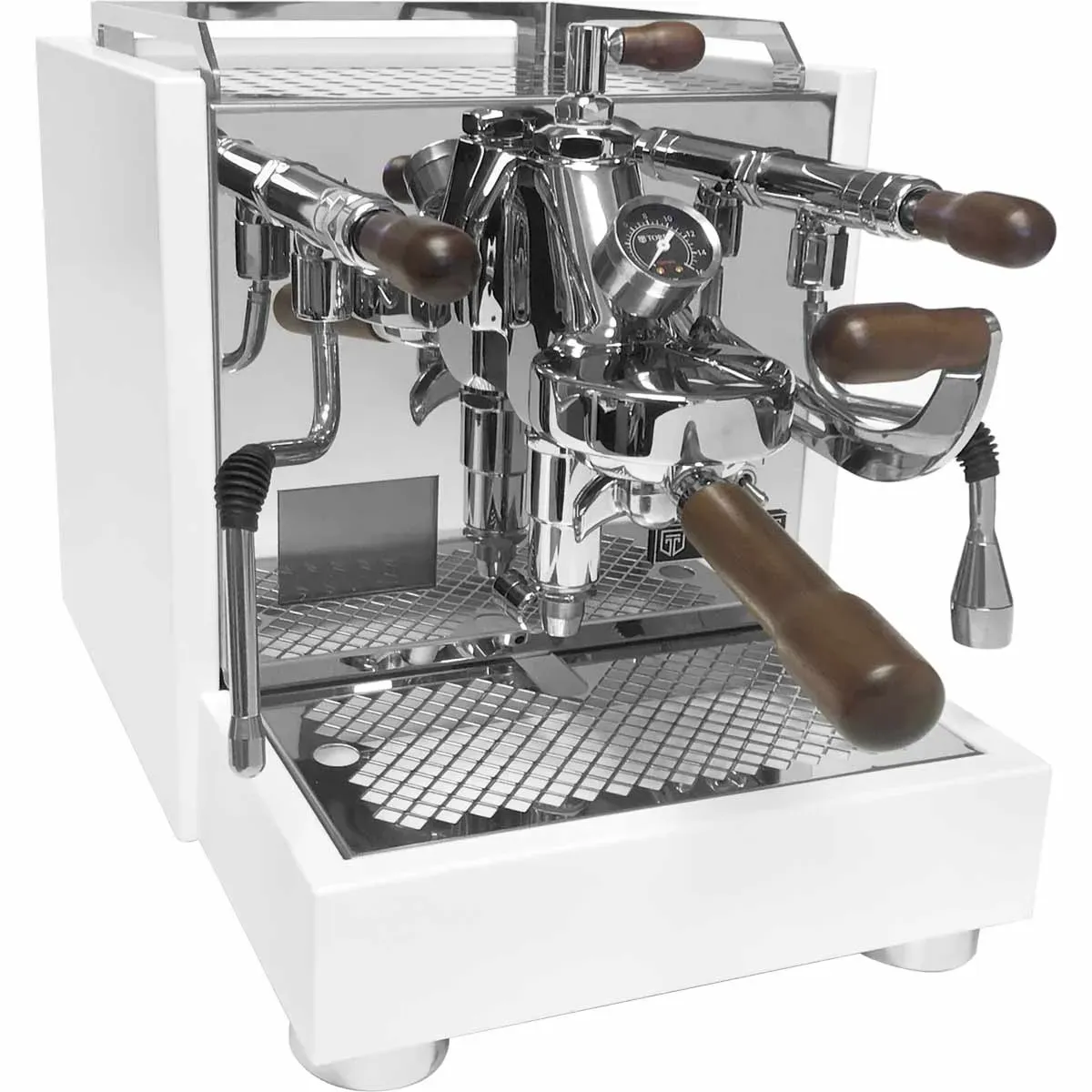
Several manufacturers are recognized for commercial performance and serviceability in specialty and high-volume settings.
La Marzocco: Known for high-quality craftsmanship and innovative technology, La Marzocco machines are favoured by many specialty cafes.
Nuova Simonelli: This manufacturer offers machines that balance performance and affordability, suitable for a range of cafe sizes.
Rancilio: With a reputation for durability and ease of use, Rancilio machines are a common choice in many coffee shops.
How Do Models Compare on Capacity, Energy Efficiency, and Warranty?
Model selection should consider hourly cup capacity, energy consumption, and warranty coverage to align total cost of ownership with operational demand. Comparative specification tables help evaluate these variables objectively. Below examples are subject to change without notice and are confirmed at the time of order.
The table shows how different models meet various operational needs, enabling selection based on throughput, efficiency, and manufacturer support.
What Maintenance and Support Services Ensure Long-Term Espresso Machine Reliability?
Routine maintenance directly affects equipment uptime and beverage quality. Scheduled service and inspections reduce component failures and unplanned downtime.
Which Maintenance Practices Optimize Machine Performance?
Operational maintenance should include daily backflushing, steam-wand wiping and purging, and periodic descaling of boilers and heat-exchange systems. Regular inspection of pressure gauges, group-head seals, and steam valves helps identify wear before it affects performance.
How Does Post-Purchase Support Enhance Cafe Equipment Longevity?
Manufacturer technical support and authorized repair services extend equipment life and reduce mean time to repair. Preventative Maintenance Agreements or Contracts with certified service providers ensure access to calibrated diagnostics, genuine replacement components, and scheduled preventive maintenance.
What Accessories and Add-Ons Enhance Espresso Machine Functionality for Cafes?
Appropriate accessories support efficiency and consistent extraction and milk texturing. Selection should follow workflow design and beverage specifications.
Which Accessories Improve Workflow and Beverage Quality?
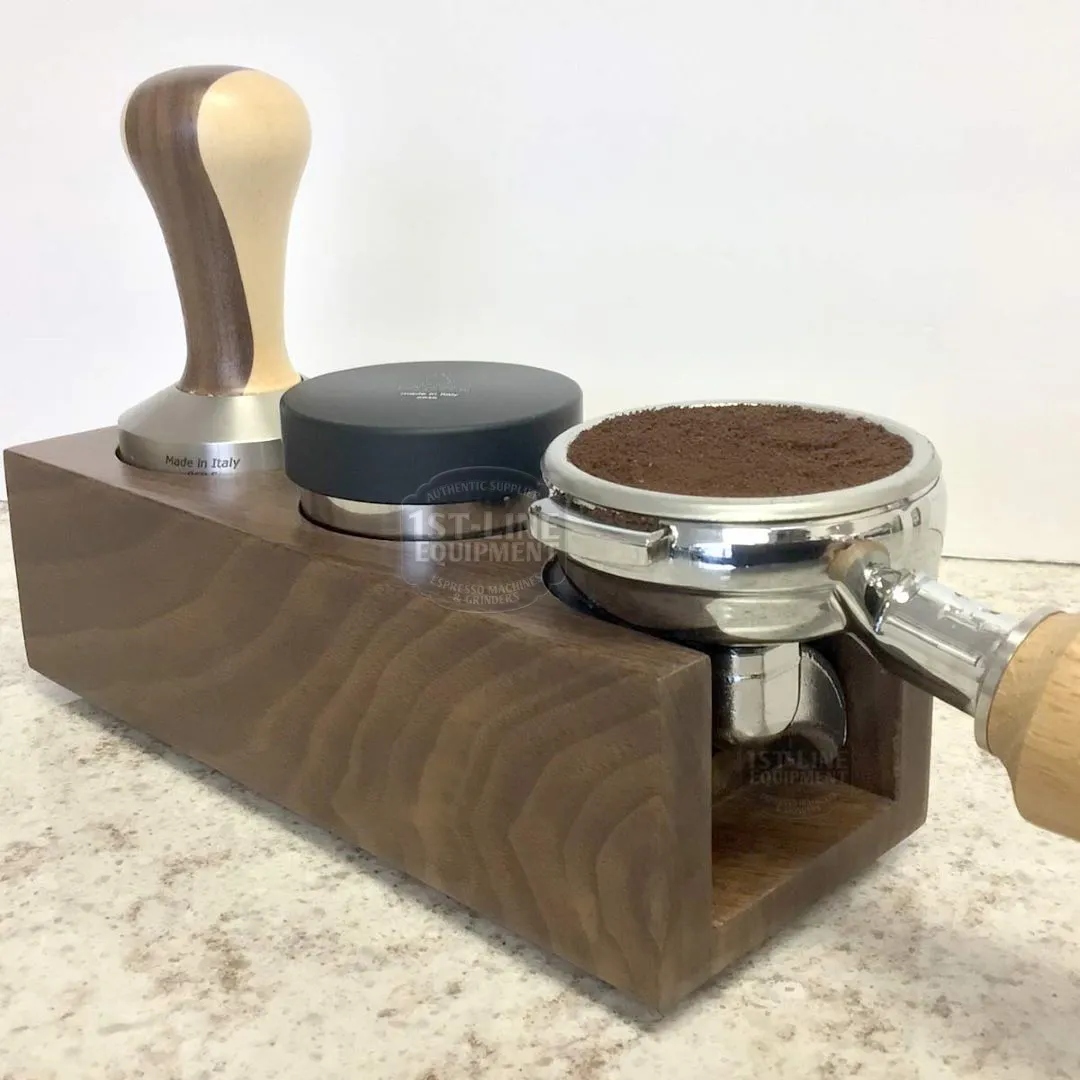
The following accessories commonly contribute to operational consistency and product quality:
Grinders: Quality grinders ensure beans are ground to the correct consistency, which is crucial for optimal extraction. The number and placement of grinders to machine should be evaluated.
Milk Pitchers: These tools let baristas create creamy, textured milk for lattes and cappuccinos, improving the beverage experience.
Tampers: These range from manual hand tampers, table top lever tampers, to adjustable pressure electric tampers.
Cleaning Supplies: Regular cleaning is essential for machine performance and coffee quality; appropriate cleaning materials are a necessary investment.
How Do Integrated Grinder-Espresso Combos Support Operational Efficiency?
Integrated grinder–espresso systems reduce footprint and shorten the bean-to-shot interval, ensuring freshly ground coffee for each extraction and streamlining workflows in limited layouts. However, heat from boilers can impact coffee in the grinding chamber as well as beans in the hopper will unintendedly heat.
Frequently Asked Questions
What factors should I consider when choosing an espresso machine for my cafe?
Assess machine architecture (automatic, semi-automatic, manual), rated capacity in cups per hour, energy efficiency class, and warranty and service provisions. Match specifications to projected customer throughput, menu complexity, and staff competence. Supplier consultation supports an evidence-based decision. Contact professionals, such as 1st-line Equipment, for guidance.
How important is the quality of water used in espresso preparation?
Water composition affects extraction chemistry and machine longevity. Softened and filtered water with controlled mineral content preserves flavor clarity and reduces scale formation. Implement routine water-quality testing and conditioning to maintain consistent extraction and lower maintenance needs.
What are the common issues faced with commercial espresso machines?
Common issues include variable water pressure, temperature instability, and accumulation of oils and residues that degrade flavour. Component wear, such as failing pump or worn steam valves, also reduces efficiency. Preventive maintenance and robust equipment reduce these risks.
Can I upgrade my cafe’s espresso machine later on?
Upgrades are feasible; many operators move from entry-level to commercial-grade systems as demand grows. Choose platforms that allow integration with advanced peripherals and scalable service contracts to meet future capacity needs.
How can I train my staff to efficiently use an espresso machine?
Provide structured training covering machine operation, extraction variables, and cleaning protocols. Combine theory with hands-on supervised practice and periodic competency checks. Documentation and visual aids support retention and procedural compliance.
What role does espresso machine design play in user experience?
Ergonomic design influences operator efficiency at peak times. Intuitive control placement, optimised steam-wand positioning, and clear extraction parameter displays reduce cycle times and operator fatigue. Evaluate design against your workflow before purchase.
Conclusion
Careful equipment selection, disciplined maintenance, and reliable supplier support preserve beverage quality and operational reliability. Systematic evaluation of machine type, capacity, and service provisions helps operators align investment with performance objectives and long-term total cost of ownership.
