

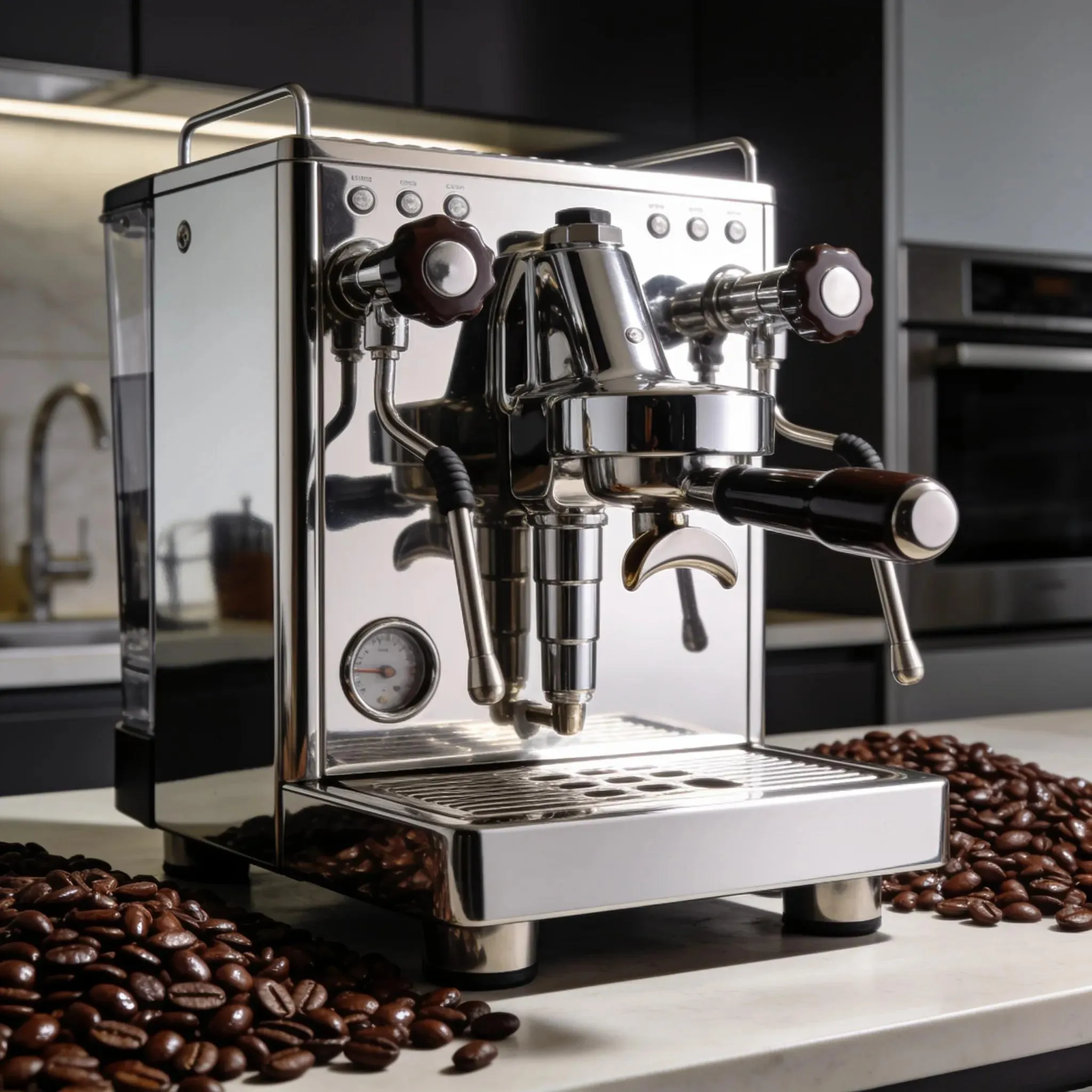
An espresso machine that fails to reach optimal brewing temperature undermines shot quality and consistency. By mastering troubleshooting tips for heating, leaks, steam wand performance, descaling, maintenance schedules, error codes, and repair decisions, you can ensure perfect brews every time. This guide covers causes and general fixes for temperature failures, water leaks, steam issues, descaling routines, comprehensive cleaning plans, decoding error messages, and knowing when to call a professional—empowering home enthusiasts and café owners alike.
Why Is My Espresso Machine Not Heating Up? Causes and Step-by-Step Fixes
An espresso machine not heating up means its boiler or thermoblock never reaches the ideal 90–96 °C range, leading to under-extracted, cold shots. Faulty heating elements, thermostat calibration errors, or scale deposits often cause this failure. For example, a Gaggia Classic stalled at 60 °C usually indicates heavy limescale insulating the heating element.
What Are the Common Symptoms of Heating Issues?
Extended Warm-Up Time – The boiler takes more than the normal range of time to reach brew temperature.
Low Temperature Readings – Digital or analog gauges show temperatures below 85 °C when using a specialized portafilter.
Intermittent Heating Cycles – Heater turns on and off rapidly without stabilizing.
Error Messages – Display codes such as “E01” or “Temp Fail” on modern machines.
Weak Espresso Flow – Slow extraction and watery crema due to inadequate heat.
These symptoms reveal underlying faults and prepare you to inspect key components.
How Do Faulty Heating Elements Affect Espresso Machines?
A heating element that degrades loses efficiency and can develop open circuits, causing insufficient heat production. When zirconium or nickel-chromium coils wear out, current flow decreases and the element cannot sustain the required power. In practice, a semi-automatic machine will show prolonged heat cycles and may never reach the extraction threshold, compromising espresso flavor and crema quality. A short circuited heating element can create rapid heating to an overheat or explosive boiler scenario.
How Can Temperature Controls Problems Be Diagnosed and Resolved?
A miscalibrated or failed thermostat disrupts temperature control by sending incorrect signals to the heating element. To diagnose:
Measure Continuity with Power Unplugged from the Wall Outlet – Use a multimeter to test the thermostat’s contacts at room temperature.
Verify Setpoint – Compare actual boiler temperature with the thermostat’s rated trigger point.
Replace or Recalibrate – Swap the thermostat if it fails continuity or adjust the setpoint screw on mechanical models.
Resolving thermostat issues restores stable heat cycles and consistent brew temperatures.
What Role Does Scale Buildup Play in Heating Failures?
Mineral deposits from hard water accumulate on boilers and heating elements, acting as an insulating barrier that impedes heat transfer. Over time, scale forces the element to overheat and cycle erratically.
Preventing scale and water treatment and softening enhances thermal efficiency and avoids premature component wear.
When Should I Replace the Heating Element or Call a Technician?
DIY replacement is feasible when you’ve confirmed an open-circuit heating element and can source a matching part. However, contact a professional technician if:
You lack proper tools for boiler disassembly.
The machine is under warranty or linked to intricate wiring diagrams.
Multiple components (element, pressurestat, thermostat) show simultaneous faults.
Professional service ensures safe installation and preserves machine longevity.
How Do I Fix Espresso Machine Leaking Water? Causes, Diagnostics, and Repairs
A leaking espresso machine wastes water, risks electrical damage, and degrades shot consistency. Common leak sources include worn gaskets, cracked tanks, limescale damaging connectors, seals and/or welds, or split hoses. For example, a leak beneath the group head typically signals a failed gasket that can be replaced with minimal tools.
What Are the Signs of Espresso Machine Leaks?
Identifying leaks early prevents internal corrosion and mold growth. Look for:
Puddles Under the Drip Tray – Water pooling after each brew cycle.
Damp Seals Around Group Head – Continuous seepage from the brew group.
Rust on Internal Frame – Indication of prolonged leakage inside the chassis.
Unstable Water Tank – Moisture or drips under the tank or reservoir.
Visible Hose Damage – Cracks or swelling on water supply lines.
Puddles Under the Machine
GFIC Outlets Trip – Shutting off Power
Circuit Breaker Tripping Power
Recognizing these signs guides targeted repairs and part replacements.
How Do Worn Group Head Gaskets Cause Leaks?
The group head gasket seals the portafilter against the brew boiler. With repeated use, rubber gaskets compress and develop cracks, allowing pressurized water to escape. Replacing the gasket with a new silicone or EPDM seal restores a watertight interface and preserves extraction pressure.
How to Diagnose and Repair Water Tank and Hose Leaks?
Begin by isolating the leak source:
Inspect Reservoir – Remove and examine the tank for gasket wear, hairline cracks or warped corners.
Pressure Test Hoses – Attach a handheld pump to each hose end and check for pressure loss.
Clamp and Seal – Tighten hose clamps or apply food-safe silicone sealant on minor splits.
Replace Components – Swap cracked tanks or brittle hoses with manufacturer-approved parts.
Proper diagnosis ensures a reliable water supply and prevents future drip issues.
When Is Professional Repair Needed for Leaks?
Seek professional help if:
The chassis must be disassembled to access hidden hose joints.
Electrical components are compromised by water infiltration.
You lack confidence in pressure testing and sealing procedures.
Expert technicians can pinpoint concealed leaks and restore full machine integrity.
Which Replacement Parts Are Essential for Leak Repairs?
Introduction to essential leak-repair parts and their purposes:
Choosing the right parts guarantees durable repairs and leak-free operation.
What Should I Do When the Espresso Machine Steam Wand Is Not Working?
A malfunctioning steam wand disrupts milk frothing, altering beverage texture and temperature. Common causes include clogs, pressure fluctuations, or valve failures. Addressing these issues restores creamy lattes and cappuccinos.
How to Identify Steam Wand Clogs and Pressure Problems?
Clogs and low boiler pressure both reduce steam output. Detect them by:
Weak Steam Flow – Only dribbling steam when wand tip is unobstructed.
Condensation on Gauge – Pressure gauge struggles to climb above 1.1 bar during steaming.
Mineral Deposits – Hardened limescale blocking steam pipe.
No Pop-Off Valve Activation – Bleeder valve remains open under frothing load.
Milk Residue – Hardened milk residue blocking holes in the steam tip.
Pinpointing the specific fault directs cleaning or pressure calibration efforts.
What Are the Steps to Clean and Maintain the Steam Wand?
Regular maintenance keeps the steam wand performing at peak efficiency:
Purge After Each Use – Briefly release steam to clear milk residues.
Soak in Milk Cleaner – Immerse the wand tip in a milk cleaner solution to dissolve limescale.
Unclog Jet Holes – Use a fine needle or paper clip to clear each steam hole.
Wipe and Dry – Clean the exterior with a microfiber cloth or sponge to remove residue.
Consistent care prevents blockages and supports high-quality microfoam production.
How to Troubleshoot Faulty Steam Valves and Boiler Pressure?
Faulty valves and incorrect pressure settings hinder steam power. To troubleshoot:
Valve Inspection – Disassemble and lubricate the steam valve spindle with food-grade grease.
Pressurestat Adjustment – Calibrate the pressurestat screw to maintain 1.1–1.5 bar (dependent on manufacturer and model) for optimal frothing.
Gauge Verification – Cross-check gauge readings with an external pressure tester.
Valve Rebuild – Swap worn seals or springs to restore tight shut-off.
Valve Replacement – Complete valve assembly replacement.
These steps reestablish consistent steam delivery for reliable milk texturing.
When to Seek Professional Help for Steam Wand Repairs?
Call a technician when:
Internal access is required to reach steam valves.
Multiple valve rebuilds fail to correct pressure inconsistencies.
Safety concerns arise due to steam leaks inside the chassis.
Professional service ensures precise calibration and safe component replacements.
How Often Should I Descale My Espresso Machine? Complete Descaling Guide and Best Practices
Descaling removes mineral scale from boilers, pipes, and heating elements, restoring heat transfer and preventing corrosion. Skipping this critical maintenance shortens machine life and undermines espresso quality. For instance, in hard water regions, scale can accumulate within 14 days and impair performance.
Why Is Descaling Critical for Espresso Machine Performance?
Limescale buildup reduces thermal conductivity, forces heaters to work harder, and triggers erratic thermostat cycling.
[The Impact of Water Hardness on Espresso Machine Performance]Research indicates that the mineral content in water significantly affects espresso machine performance, leading to scale buildup that reduces heating efficiency and can cause machine failure. Regular descaling and water filtration are crucial for maintaining optimal temperature stability and machine reliability.
By eliminating deposits, descaling:
Enhances heat efficiency and shot consistency.
Prevents boiler overpressure and safety valve activation.
Prolongs pump and element lifespan by reducing mechanical stress.
Regular descaling maintains optimal temperature stability and machine reliability.
What Are the Recommended Descaling Frequencies by Water Hardness?
Below is a basic guideline for descaling intervals based on common water hardness levels.
Adhering to these intervals preserves heating efficiency and reduces repair frequency. However, descaling more frequently places more wear and tear an the degradation of components more rapidly lessening the overall useful life of the espresso machine. In addition, metal particles may exist during rinsing.
How to Perform a Step-by-Step Descaling Procedure?
Follow this actionable guide to restore internal cleanliness for reservoir only models:
Empty Water Reservoir – Remove residual water and fill with descaling solution.
Run Descale Cycle – Activate brew function until reservoir is half-empty.
Soak Internal Lines – Let solution sit for 10–15 minutes to dissolve scale.
Flush Thoroughly – Refill with fresh water 2 times and run multiple rinse cycles. Be careful, running the pump motor continuously can cause damage.
Check for Residues – Inspect group head and steam wand for lingering deposits.
Completing these steps reestablishes clear water pathways and prevents scale-related failures.
Which Descaling Solutions and Products Are Most Effective?
Introduction to top-rated descaling agents and their properties:
Selecting the right solution helps balance effectiveness with material safety and environmental considerations.
What Is the Best Espresso Machine Maintenance Schedule for Longevity and Perfect Brews?
A structured maintenance plan combines daily, seasonal, and annual tasks to keep every component functioning at peak performance. By aligning cleaning, filtration, and service checklists, you can minimize downtime and protect your investment.
What Daily Cleaning Tasks Should I Perform on My Espresso Machine?
Daily rituals prevent buildup and preserve extraction quality:
Backflush with Detergent – Run a cleaning disc and detergent through the brew group.
Clean Portafilter and Basket – Remove grounds and residue after each shot.
Wipe Steam Wand – Purge and wipe to avoid milk crusting.
Empty Drip Tray and Grounds Drawer – Prevent overflow and bacterial growth.
Consistent daily care sustains machine hygiene and shot consistency.
How Does Water Filtration Prevent Scale and Extend Machine Life?
Installing an inline water treatment reduces hardness minerals—calcium and magnesium—that cause scale. Filtered water:
Lowers descaling frequency.
Protects boiler, pump, and pipes from corrosion and damage from descaling.
Enhances espresso taste by removing chlorine and sediment.
Investing in quality filtration safeguards internal components and improves flavor profiles.
What Should Be Included in Seasonal and Annual Service Checklists?
Integrating these checks reduces unexpected failures and prolongs equipment lifespan.
How Can Preventative Maintenance Reduce Repair Costs and Downtime?
Proactive maintenance identifies minor issues before they escalate into major failures. By scheduling regular cleaning, filter changes, and component inspections, you avoid emergency repairs, reduce service fees, and keep your machine in continuous operation—ensuring perfect brews with minimal interruption.
What Are Common Espresso Machine Error Codes and How Can I Fix Them?
Error codes provide immediate insights into heating, pressure, or flow issues, allowing swift corrective action. Understanding code meanings accelerates troubleshooting and restores brewing performance.
Which Error Codes Indicate Heating or Pressure Problems?
How to Diagnose and Resolve Common Error Codes?
For each code:
Consult the Manufacturer’s Manual – Verify code definitions and recommended actions.
Perform Basic Maintenance – Descale (if not a leaking issue), backflush, and inspect hoses.
Test Components – Measure continuity on thermostats or heating elements.
Replace Faulty Parts – Swap sensors, valves, or switches as indicated.
Following these steps clears error codes and restores full functionality.
When Should I Contact a Technician for Error Code Issues?
Reach out for service if:
Error codes persist after standard maintenance.
Multiple codes occur simultaneously, indicating systemic failures.
You lack diagnostic tools for electrical or pressure testing.
Professional technicians leverage specialized equipment to pinpoint complex faults and ensure safe repairs.
When Should I Call a Professional Technician and What Are Typical Repair Costs?
Deciding between DIY repairs and professional service depends on complexity, safety, and warranty considerations. Understanding cost ranges helps set realistic expectations and budget.
How to Distinguish Between DIY Repairs and Professional Service Needs?
DIY is appropriate when:
The issue involves replaceable external parts (gaskets, hoses).
You have basic tools and mechanical aptitude.
The machine is out of warranty.
Professional service is advisable when:
Internal boilers or electrical components require access.
Safety hazards exist due to live circuits or high-pressure steam.
The machine remains under manufacturer warranty.
Clear decision criteria ensure efficient repairs and protect your warranty.
What Are Typical Diagnostic Fees and Repair Cost Ranges?
All prices are guidelines and subject to change without notice, are dependent upon regional area, competitors, and level of competence of technicians.
Transparent pricing eases budgeting and avoids unexpected expenses.
What Repair Services Does 1st-line.com Offer for Espresso Machines?
1st-line.com provides expert diagnostic services, full repairs, and preventative maintenance for all machines purchased through their store. Technicians specialize in heating element replacement, boiler servicing, pressurestat calibration, and complete overhauls—backed by warranties that enhance trust and peace of mind.
How to Find and Order Replacement Parts for Your Espresso Machine?
To source genuine parts, visit the parts catalog and diagrams on 1st-line.com (our sponsor) and locate items by model number and component type. Replacement gaskets, heating elements, hoses, and filters are clearly labeled with compatibility details, making it easy to select the correct component and keep your machine operating like new.
Regular maintenance and timely repairs improve performance and extend machine life. With these troubleshooting tips and service insights, you can enjoy consistent, flavorful espresso at home or behind the café counter. For specialized repairs, trust experienced technicians to handle complex issues safely and efficiently. Your perfect brew begins with proactive care and expert support—ensuring every shot meets your highest standards.
