

Bezzera Unica vs ECM Classika vs VBM Domobar: The Ultimate SBDU Espresso Machine Comparison
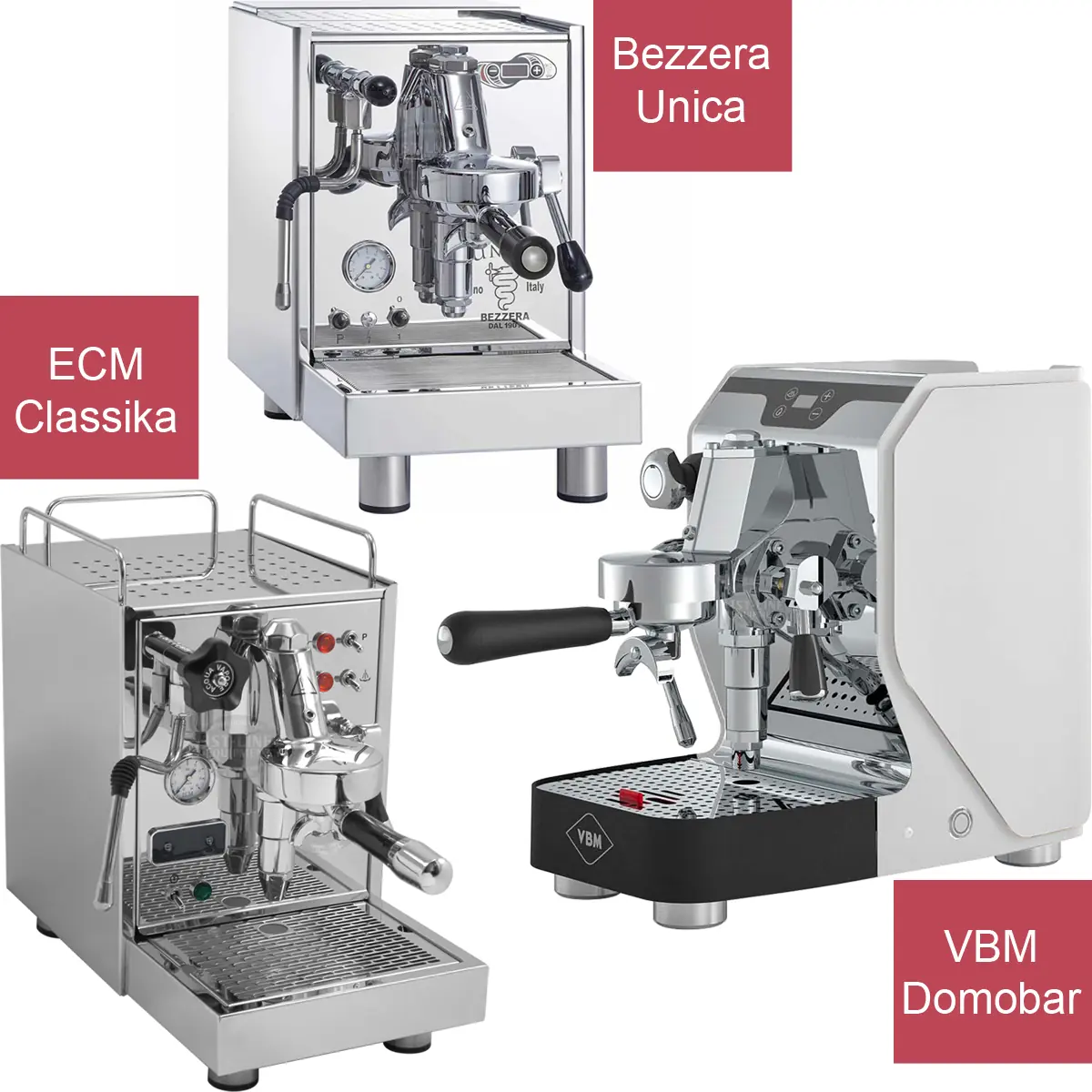
Single boiler dual use espresso machines occupy a unique space, offering many of the precision-focused benefits of higher-end machines without the added complexity, size, and cost of heat exchanger or dual boiler designs. Using a single boiler for both brewing and steaming, these machines operate by raising and lowering boiler temperature depending on the task at hand, meaning brewing and milk steaming happen sequentially rather than simultaneously. While that workflow may not suit high-volume milk drinkers, SBDU machines are often favored by espresso-focused users who prioritize temperature stability, compact footprints, lower energy consumption, and a more approachable price point. In many cases, a well-designed single boiler machine can even provide more precise brew temperature control than a traditional HX machine, especially when equipped with PID temperature management. Among the most compelling options in this category are the VBM Domobar, Bezzera Unica, followed by the ECM Classika PID — three Italian-built machines that each approach the single boiler formula with their own distinct balance of tradition, performance, and workflow refinement.
Introduction to the Bezzera Unica
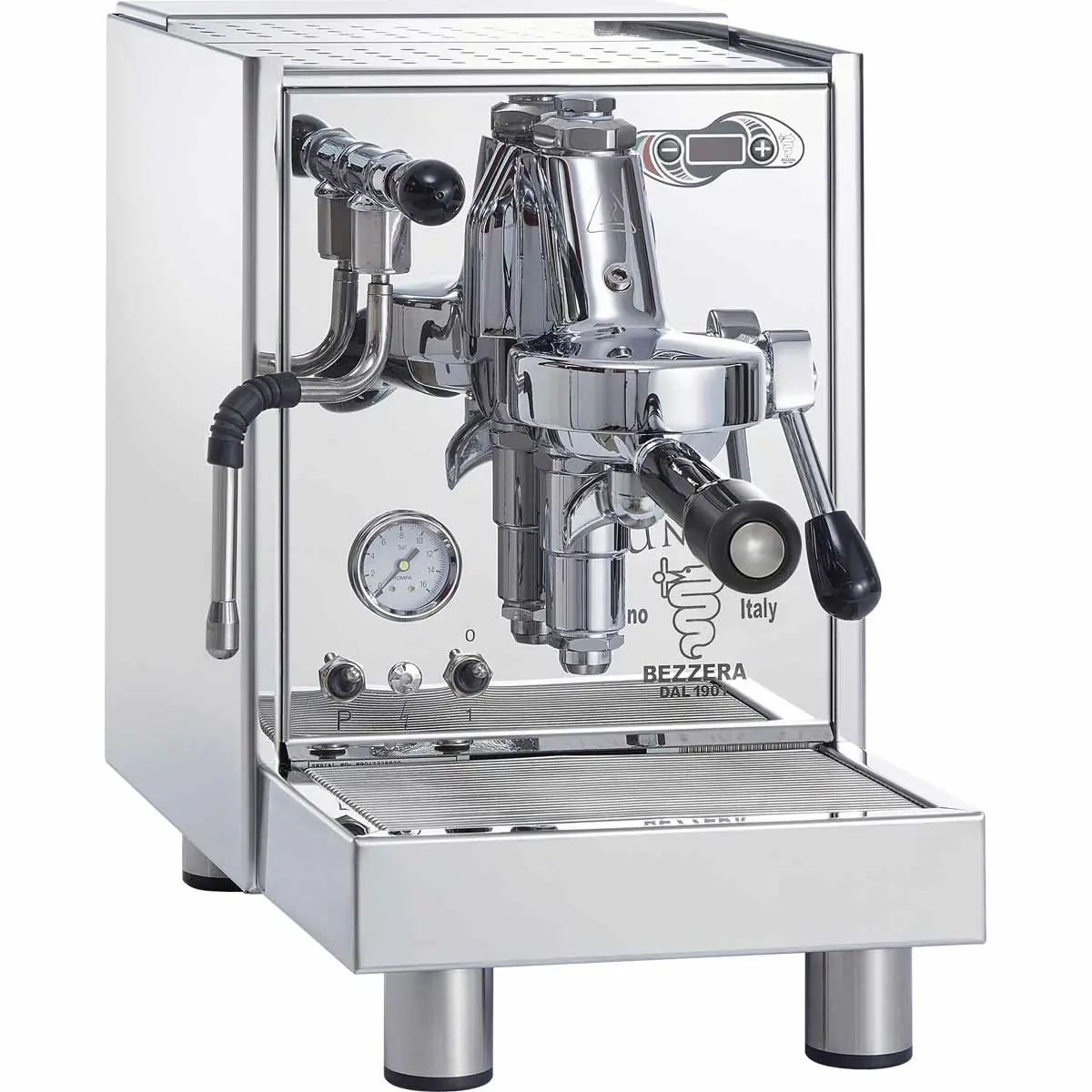
Founded in 1901, Bezzera is one of the oldest names in espresso machine manufacturing and traces its roots back to Luigi Bezzera’s early espresso innovations in Milan. Introduced around 2012, the Bezzera Unica was designed to bring PID temperature control and traditional E61 brewing to the single boiler dual use category in a compact home machine. We first began carrying the Bezzera line in 2006 and later added the Unica to our lineup in 2013. The machine combines a stainless steel body, vibration pump, E61 grouphead, and PID-controlled copper boiler to deliver strong temperature stability and classic manual espresso preparation. With its compact footprint and traditional Italian styling, the Unica became a popular option.
Introduction to the ECM Classika
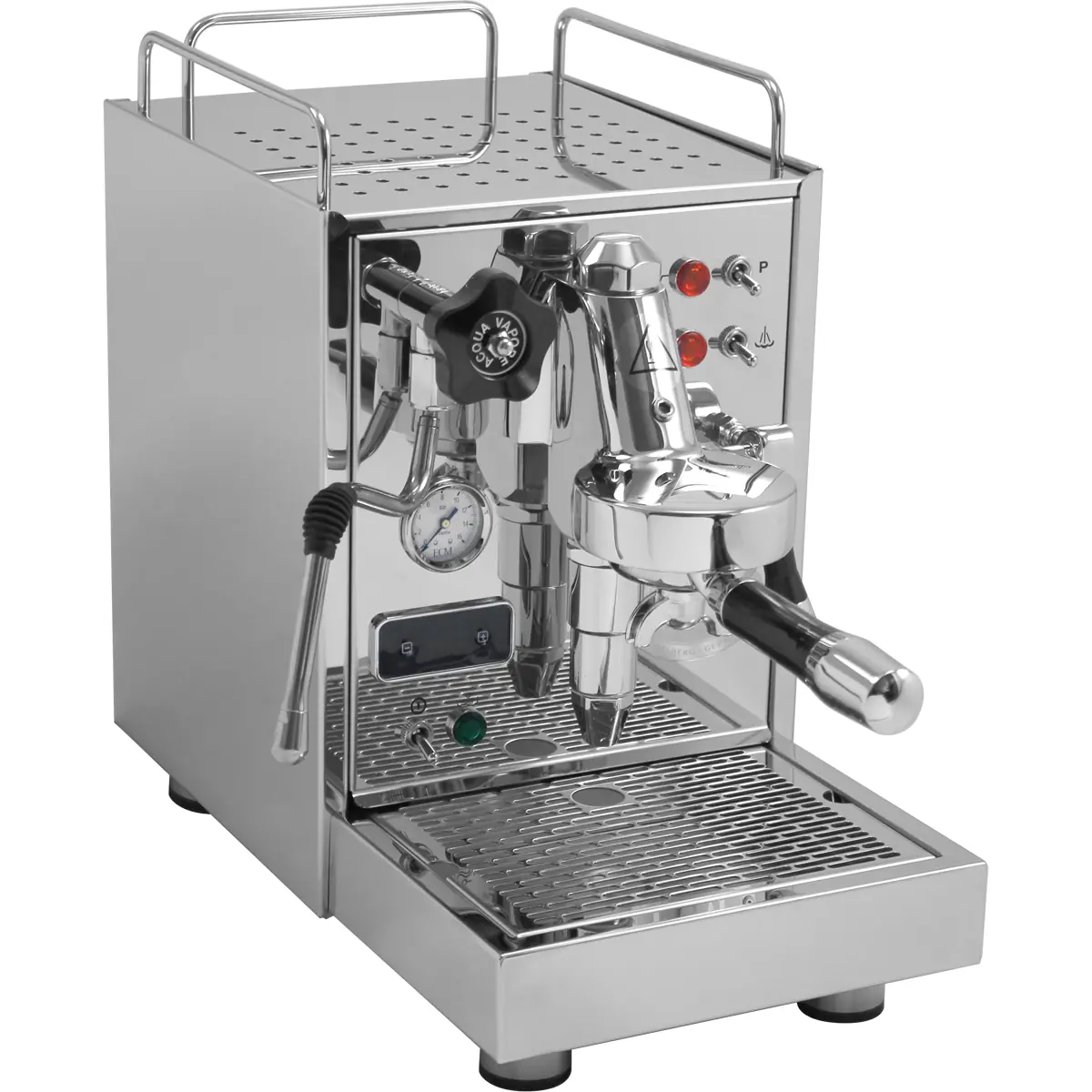
ECM Manufacture was founded in 1996 in Germany by Wolfgang Hauck, with a focus on producing high-end prosumer espresso machines inspired by traditional Italian commercial designs, refined through precise German engineering and attention to detail. We first began carrying the ECM line in 2012, adding a range of their well-regarded machines known for their clean design, strong build quality, and consistent performance in the espresso market. In 2014, we expanded the lineup to include the Classika, a compact single-boiler machine designed for espresso-focused users who value simplicity, temperature stability, and commercial-style extraction in a smaller footprint without full-time steam capability. While we no longer carry the ECM line today, the Classika remains an example of ECM’s design philosophy, emphasizing durability, control, and minimalist functionality.
Introduction to the VBM Domobar
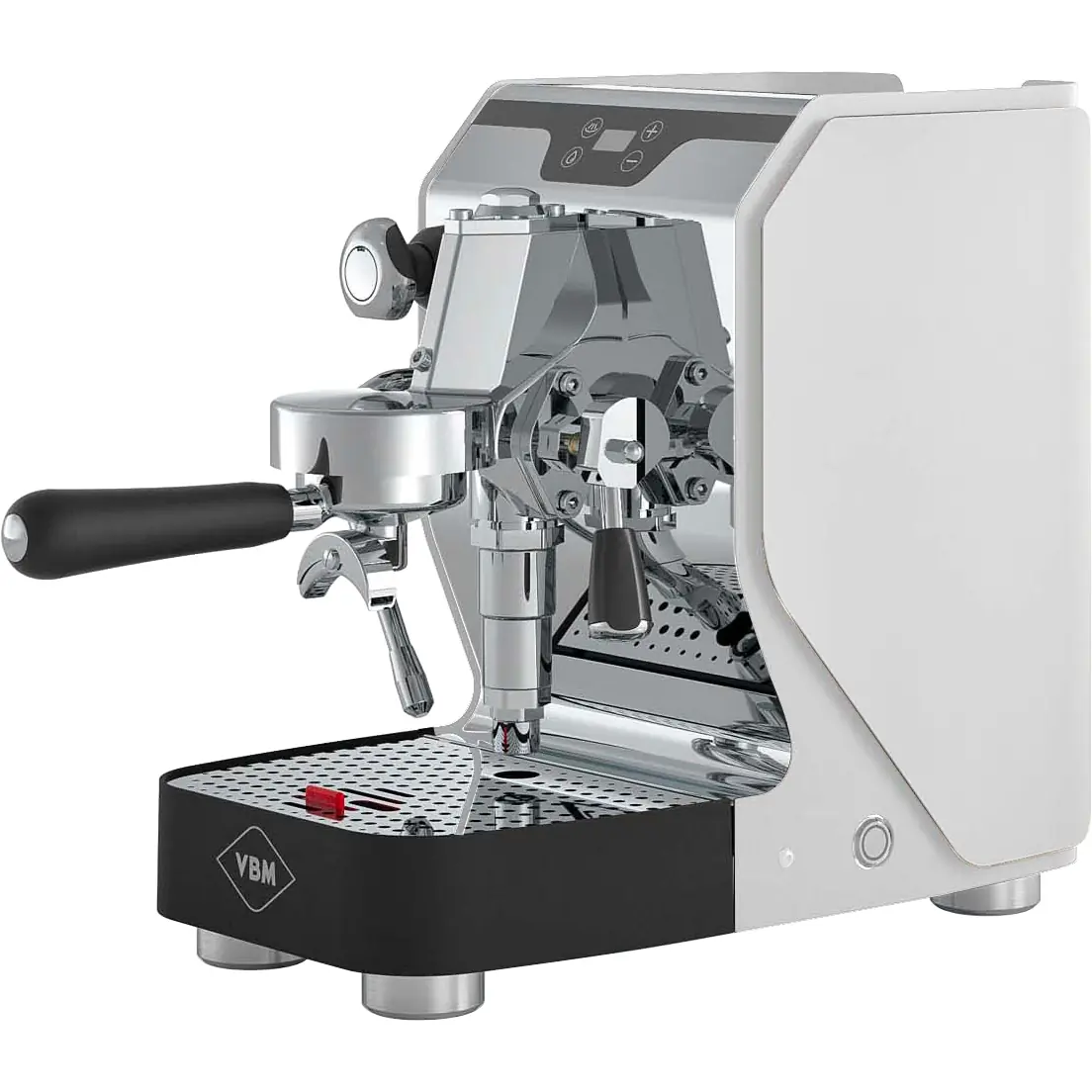
Founded in 1976 by Carlo Ernesto Valente, VBM (Vibiemme) became known for improving commercial espresso technology. Around 1978, the company introduced the original Domobar, one of the first home espresso machines to feature a commercial-style E61 group head. We first began carrying the VBM line in 2006, initially focusing on the company’s heat exchanger and dual boiler models before adding the single boiler Domobar to our lineup in 2018. In 2020, VBM updated the machine with a redesigned body featuring softer lines and a more modern appearance while retaining its traditional E61-driven character. Today’s Domobar continues to offer a brass E61 group head, copper boiler, vibration pump, manual steam control, and compact footprint for enthusiasts seeking a straightforward and serviceable single boiler dual use machine with classic Italian espresso styling.
What They Have in Common
Despite their differences, all 3 machines share several common characteristics that define them as single boiler espresso machines. All three machines are designed to provide a balance between brewing and steaming capabilities, allowing users to create a variety of coffee beverages. They each feature a compact footprint, making them suitable. Additionally, these machines are built with high-quality materials, ensuring durability and longevity. Their user-friendly interfaces cater to both beginners and experienced baristas, making them accessible to a wide range of coffee lovers.
Single Boiler Dual Use System w/ PID Controls
All three machines are built around a single-boiler, dual-use system designed for both espresso brewing and milk steaming from one shared boiler. This setup requires the machine to switch between brew and steam temperature ranges, meaning users cannot brew and steam simultaneously, but it offers a compact and efficient footprint compared to dual boiler systems. Each machine is equipped with PID temperature control, which allows for precise regulation of boiler temperature and significantly improves consistency, stability, and repeatability over traditional thermostat-based single boiler designs. The PID system helps maintain tighter temperature control during brewing and reduces fluctuations when the machine is under load or transitioning between modes. While all three share this same core architecture, it forms the foundation of their workflow—prioritizing control, simplicity, and espresso-focused performance in a more compact and accessible format than larger multi-boiler machines.
E61 grouphead w/ 58mm portafilter
All three machines use a classic E61 grouphead paired with a 58mm commercial portafilter, a combination widely regarded as the standard in espresso machines. The E61 grouphead relies on a thermosyphon circulation system, drawing hot water from the boiler through the group to maintain stable brewing temperatures and ensure thermal consistency during extraction. This passive heating system, combined with the thermal mass of the group itself, helps smooth out temperature fluctuations and supports more even extractions. Paired with a 58mm portafilter, these machines offer compatibility with a wide range of professional baskets and accessories, while also replicating the workflow and feel of commercial espresso equipment. Together, the E61 group and 58mm portafilter define a traditional, hands-on brewing experience that prioritizes control, consistency, and tactile feedback during the espresso-making process.
Vibration pump
All three machines are powered by an internal vibration pump, a common choice in compact espresso machines. A vibration pump works by rapidly oscillating a piston to generate the pressure needed for espresso extraction, typically reaching the standard 9-bar range required for proper brewing. While not as quiet as rotary pump systems found in higher-end machines, vibration pumps are more compact, cost-effective, and well-suited to single-boiler designs where space efficiency is important. In practice, they deliver consistent brewing pressure when properly dialed in and are supported by the machine’s internal pressure regulation systems. This shared pump design reinforces the overall philosophy of these machines: compact form factors, traditional espresso workflows, and reliable performance tailored for home users who want café-style extraction without the size or complexity of higher commercial pump systems.
Quick Recap of Similarities
Here is a quick recap of the machines and the similar features across them.
What sets them apart
When shopping by feature set, it becomes much easier to narrow the field down to a few strong contenders. Once you reach that point, however, the smaller details begin to matter more. While these 3 machines share many of the same core features and overall design philosophy, the differences in their engineering, workflow, thermal behavior, and user experience are what ultimately begin to separate them in day-to-day use.
Boilers – Similar Performance, Different Design
While all 3 machines use a single-boiler dual-use system, their boiler designs take slightly different approaches to balancing heat-up speed and thermal stability. The Domobar and Unica are very similar in design, both using compact copper boilers in the ~0.5L range paired with higher wattage heating elements—1400W on the Domobar and 1300W on the Unica. This combination allows for faster heat-up times and quicker transitions from brewing to steaming, giving both machines a more responsive feel in daily use. The Classika takes a different approach with a larger 0.75L stainless steel boiler and a lower 1200W heating element. While this results in a slightly slower warm-up and steam transition time, the added boiler volume provides greater thermal stability during back-to-back extractions and longer steaming sessions. Copper also transfers and retains heat more efficiently than stainless steel, though it can be more susceptible to limescale buildup over time. Regardless of boiler material, properly treating water with a softening system is recommended to reduce scale accumulation and support long-term machine performance.
Steam Wand Design
All three machines feature traditional steam wands equipped with 2-hole steam tips, a configuration commonly used on single-boiler espresso machines to provide a balanced combination of steaming power and control. The Domobar and Classika both use a rotary-style steam knob, allowing the user to gradually open and adjust steam pressure with finer control over steaming intensity throughout the process. This style tends to feel more deliberate and forgiving, especially when texturing smaller amounts of milk. The Unica instead uses a joystick-style steam control, which operates with a quick push movement for faster activation and shutoff. While the joystick design feels more immediate and convenient in use, it offers less fine adjustment during steaming compared to the rotary valves found on the Domobar and Classika. In practice, all three are capable milk frothers, but the steam control mechanisms create slightly different workflows and user experiences.
PID & the Controls
All three machines feature PID temperature control and operate in a very similar way, allowing users to precisely adjust boiler temperature and switch between Celsius and Fahrenheit based on preference. The Domobar and Classika both include a built-in shot timer within the PID display, while the Unica does not. This is not a major drawback in practice, as most users rely on a separate scale, timer, or even a smartphone for tracking extraction time.
Pulling an espresso shot is consistent across all three machines, initiated by engaging the lever on the side of the E61 grouphead to start the pump-driven extraction through the 58mm portafilter. The steam wand also functions as a hot water outlet when needed. For hot water dispensing, both the Unica and Classika include a “P” switch that activates the pump to manually refill the boiler, as none of the machines feature automatic boiler filling. Steam activation varies slightly between models: on the VBM Domobar, steam is engaged via a dedicated switch near the PID display, while on the Unica it is activated by pressing and holding the “+” button, with the Classika using its own PID-based control method. Despite these interface differences, the overall workflow remains closely aligned across all three machines.
Water Tank/Reservoir
All three machines feature an open-top water reservoir design, making it relatively easy to fill the tank and access the interior for periodic cleaning. The Unica’s reservoir, however, is slightly more enclosed than those found on the Domobar and Classika, making access somewhat tighter when removing or cleaning the tank. The machines also differ in how they draw water from the reservoir. The Unica uses an inline intake hose that pulls water from inside the tank, while the Domobar and Classika draw water directly through the bottom of the reservoir. In practical terms, this mainly affects the style of water treatment and softening options that can be used. The Unica’s inline hose setup works well with inline water softeners, whereas the Domobar and Classika are generally better suited for limescale inhibitor pouches. For these pouches, we recommend treating water separately in a dedicated pitcher before pouring it into the reservoir. If the pouch is placed directly inside the tank, care should be taken to ensure it does not obstruct the bottom intake where the machine draws water. Regardless of machine design, using properly treated water is strongly recommended to help reduce scale buildup and support long-term boiler performance.
Body Construction
The Unica and Classika both follow a more traditional espresso machine design, featuring a classic box-shaped body with polished stainless steel panels finished to a mirror shine. Earlier versions of the Domobar shared a very similar aesthetic, though VBM also offered painted black and white body variations. In 2020, VBM introduced a major redesign to the Domobar platform, replacing the more angular body with a rounded, modernized shape and adding the option for interchangeable colored side panels. This updated design gives owners the ability to personalize the machine’s appearance and better match different styles and aesthetics, while also helping the Domobar stand apart visually from the more traditional stainless steel designs of the Unica and Classika.
Quick Recap of Differences
Here is a quick recap of the machines and their different features.
From this, you can see the different little nuances that can help you narrow down your decision to your dream espresso machine.
Choosing the Right Machine – and the Right Retailer
When deciding which espresso machine to purchase, it is equally important to consider where you are buying it from. Espresso machines are long-term investments that require periodic maintenance, replacement parts, and occasional service over time. At 1st-line Equipment, we stock many of the common replacement parts needed for the VBM Domobar and Bezzera Unica, and can also special order less common components directly from the manufacturers when needed. While we no longer carry the ECM line, support and parts availability should always be part of the buying decision, regardless of brand. Before purchasing from any retailer, it is worth asking how their warranty and repair process works, whether replacement parts are readily available, and what kind of long-term technical support they provide after the sale. A machine may look similar on paper, but the ownership experience can vary greatly depending on the level of support behind it.
