
Understanding the Impact of Price on Espresso Machine Quality: Essential Factors for Informed Purchase Decisions
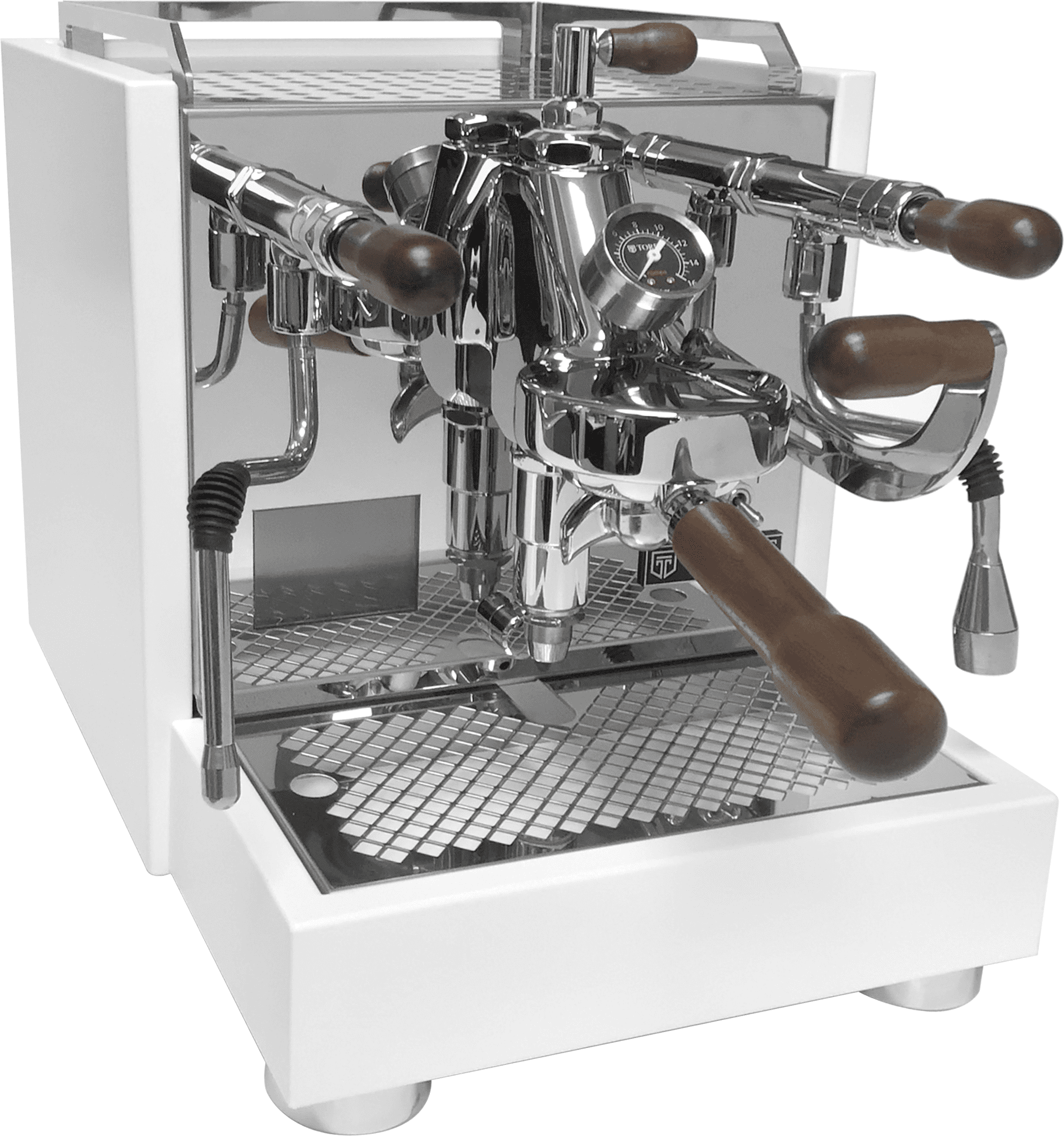
Torre Peppina EVO Premium V2 Dual Boiler Espresso Machine with Flow Control, shown in white.
Price is a useful indicator of an espresso machine‘s likely performance and durability. This article explains how price relates to construction, features, longevity, and what typically justifies higher cost so buyers can choose equipment that fits their needs and budget.
How Does Price Influence the Quality of Espresso Machines?
Higher-priced models more often use better materials and advanced components, yielding stronger build quality, improved performance, and easier serviceability. Established brands commonly offer more comprehensive warranties and support, which affects overall ownership cost.
What Are the Key Quality Factors Affected by Price?
The primary quality factors tied to price include:
- Build Quality : Use of premium materials and construction for durability.
- Features : Advanced controls and programmability on higher-tier models.
- Brand Reputation : Better support, parts availability, and warranty coverage.
Consider price as a signal of these attributes when comparing machines.
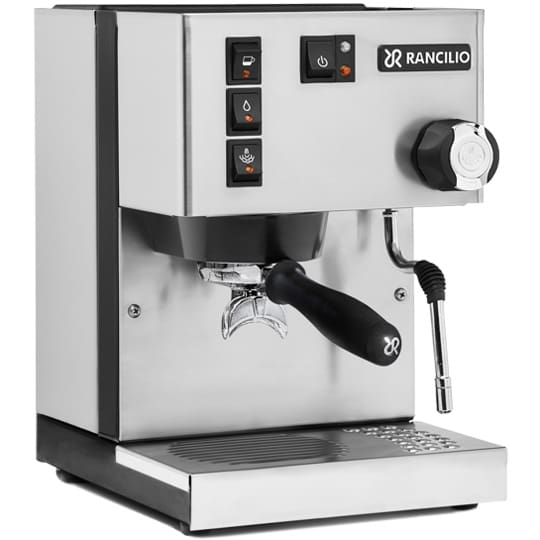
Rancilio Silvia M Espresso Machine, shown in stainless steel.
How Do Price Tiers Correlate with Machine Performance and Durability?
Price tiers broadly predict expected performance and lifespan.
- High-End Machines : Superior performance, advanced brewing tech, durable construction.
- Mid-Range Machines : Balanced features and reliability for enthusiasts.
- Budget Machines : Basic capability and lower material quality; possible higher long-term costs.
Choosing the right tier helps match a machine to a user’s performance and durability needs.
What Are the Differences Between Budget, Mid-Range, and High-End Espresso Machines?
Differences appear in materials, features, and intended users:
- Budget Espresso Machines : Suited for beginners; simpler features and lower-grade materials, such as plastic frames.
- Mid-Range Espresso Machines : Better materials and controls, better durabilty, for home and low volume commercial use.
- High-End Espresso Machines : Premium materials and advanced systems for serious or professional use.
Pick the category that matches desired control, uptime, and value.
Which Features Justify Higher Prices in Espresso Machines?
Common features that raise price include:
- Advanced Brewing Technology : More consistent extraction and flavor control.
- Enhanced Steam Wands : Better milk texturing for café-quality drinks.
- Better Temperature Control : Precise heating for consistent shots.
These features improve extraction consistency and beverage quality.
How Do Build Materials and Components Vary Across Price Tiers?
Materials and components differ by tier:
- Budget Machines : More plastic and lower-grade metals.
- Mid-Range Machines : Better metals and more robust components.
- High-End Machines : Stainless steel, brass, and premium internals for longevity.
Material quality directly affects service life and repair frequency.
How Does Maintenance and Longevity Vary by Espresso Machine Price?
Maintenance needs and lifespan tend to align with price.
- Higher-Priced Machines : Often lower repair frequency and longer service life.
- Budget Machines : More frequent repairs and part replacements.
- Longevity Expectations : High-end models are typically built to last longer.
Factor maintenance and lifespan into total cost of ownership.
What Are the Typical Maintenance Costs for Different Price Categories?
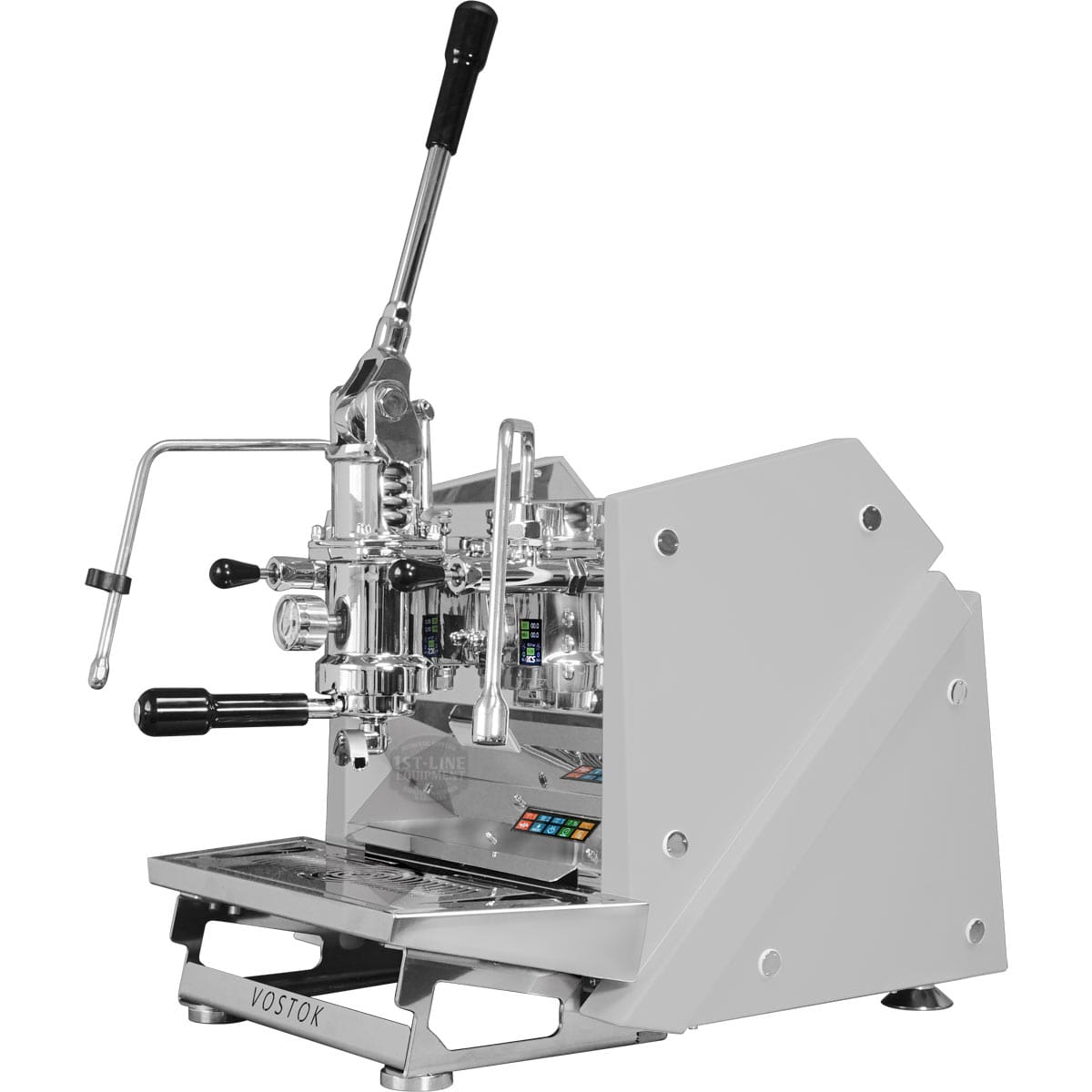
ACS Vostok Lever Espresso Machine, shown in stainless steel.
Typical maintenance expectations by category:
- Budget Machines : Higher lifetime maintenance due to parts and repairs. Usually throw away if breaks down an there is a lack of available parts.
- Mid-Range Machines : Moderate maintenance reflecting improved durability.
- High-End Machines : Often lower maintenance and improved warranty support.
Use these patterns to estimate lifetime costs beyond the purchase price.
How Does Price Affect Machine Longevity and Warranty Coverage?
Price often signals warranty scope and expected longevity.
- Higher-Priced Machines : Typically come with stronger repair options.
- Longevity Correlation : Higher price often aligns with longer working life.
- Budget Machines : May have limited warranty coverage or simple replacement until warranty expires.
Review warranty terms alongside build quality when assessing value.
How to Choose the Right Espresso Machine Based on Price and Quality Needs?
Match machine type, features, and service needs to your operation and budget.
- Machine Type : Manual, semi-automatic, or automatic affects control and ease.
- Brewing Technology : Look for systems that support your desired espresso quality.
- User-Friendly Features : Tank size, ability to plumb in the machine to a dedicated water line, display screens, intuitive controls, and maintenance access matter.
Assess these to choose a model that meets performance and upkeep requirements.
What Factors Should Baristas and Cafe Owners Consider?
Evaluate control, throughput, and serviceability for your volume and workflow.
- Machine Type : Affects control versus convenience.
- Brewing Technology : Decide if advanced systems justify the cost.
- User-Friendly Features : Simplify operation and maintenance where possible.
Prioritize factors that suit your daily volume and skill level.
Which Accessories Impact Performance and Overall Cost?
Essential accessories influence consistency and total cost:
- Quality Grinder: Crucial for consistent extraction.
- Tamper: Ensures even pressure for the puck.
- Milk Frother : Needed for milk-based drinks and texture control.
- Milk Pitcher : Perfect for steaming or frothing milk when using an espresso machine with a steam wand.
Budget for these accessories to achieve consistent results.
The table summarises typical features and maintenance expectations by tier.
This comparison clarifies how specific factors affect performance and satisfaction.
For a wide selection of espresso machines, consider visiting 1st-line.com for more information.
Frequently Asked Questions
What should I consider when buying an espresso machine?
Consider the type of beverages you make, available counter space, and how much control you want. Choose between manual, semi-automatic, and automatic based on skill and convenience, and factor in maintenance and total ownership cost.
How important is the grinder when using an espresso machine?
A consistent burr grinder is essential; grind uniformity is critical for extraction, flavor, and crema. For a large selection of premium espresso coffee grinders, try exploring 1st-line.com.
What maintenance practices should I follow for my espresso machine?
Follow the manufacturer’s schedule: daily cleaning of the portafilter and group head, use soften water to help to prevent water corrision, cleaning the steam wand after each use, regular cleaning of the grouphead screen and gasket, timely water filter replacement, and replacing the dispersion screen and grouphead gasket every 6-24 months based on usage.
Are there any specific brands known for high-quality espresso machines?
Brands like Torre, Rancilio, Elektra, Bezzera, VBM, Rocket, and ACS are commonly recognized for durable, high-performance machines across different price ranges. Check model specs and reviews for fit.
How can I improve my espresso-making skills?
Practice systematically: control grind, tamp pressure, and extraction time; experiment with beans and settings; use guides or training to refine technique. Keep records of the changes you make so your results are repeatable. See Mastering Espresso Grind Settings, Common Problems and How to Fix Them for a detailed discussion of how your coffee grind and extraction time impacts tastes.
What are the benefits of investing in a high-end espresso machine?
High-end units deliver stronger build quality, tighter temperature control, and advanced systems that improve consistency, reduce repairs, and often include better warranty coverage.
Conclusion
Weigh build quality, features, and brand support against price to make informed purchases; choose equipment that fits operational needs and maintenance capacity to optimize performance and long-term value. Visit 1st-line.com for a wide selection of quality espresso machines to fit most customers’ budget.
