

Best Water for Espresso Machines in the United States: Optimizing Water Quality for Superior Espresso
Water quality is a critical factor in espresso preparation, significantly influencing both flavor and machine performance. Understanding the best water for espresso machines can enhance the brewing process, ensuring that each cup delivers the rich, complex flavors that coffee shop owners crave. This article will explore the essential water quality parameters, the standards set by the Specialty Coffee Association (SCA), and the water sources available in the United States. Additionally, we will discuss how water filtration can improve espresso machine performance and provide practical tips for managing water quality effectively.
1st-line Equipment, LLCdoes not assume any responsibilities for damages or injuries from any recommendations in this article. All statements are subject to change without notice.

What Are the Key Water Quality Parameters for Espresso Machines?
The quality of water used in espresso machines is determined by several key parameters, including total dissolved solids (TDS), hardness, pH, and alkalinity. Each of these factors plays a vital role in the extraction process and the overall taste of the espresso.
How Do Total Dissolved Solids Affect Espresso Taste and Machine Health?
Total dissolved solids (TDS) refer to the combined content of all inorganic and organic substances in water. Ideal TDS levels for espresso typically range from 75 to 250 mg/L, with many experts recommending around 150 mg/L as optimal. Water with too low TDS can lead to under-extraction, resulting in a weak flavor, while water with excessively high TDS can cause over-extraction, leading to bitterness. Maintaining the right TDS level is crucial for achieving a balanced and flavorful espresso.
Why Is Water Hardness Important for Espresso Machines?
Water hardness is determined by the concentration of calcium and magnesium ions. The ideal hardness level for espresso water is between 3 to 6 grains per gallon (or approximately 50 to 100 mg/L as CaCO3). Proper hardness helps in the extraction of flavors from coffee grounds while scale buildup in the machine can occur. Too much hardness can lead to mineral deposits, which can damage the espresso machine over time.
What Are the Specialty Coffee Association Water Standards for Espresso?
The Specialty Coffee Association (SCA) has established specific water quality standards to optimize espresso brewing. These standards provide guidelines for TDS, hardness, pH, and alkalinity, ensuring that coffee professionals can achieve the best possible flavor profiles. Keep in mind, these standards are for espresso extraction, and not necessarily for the protection of the espresso machine.
Research further emphasizes the importance of these standards in achieving high-quality espresso.
SCA Espresso Standards & TDS for Quality Brewing
The two objectives of this study are: (1) to design an economically efficient semi-automatic espresso machine capable of producing products that meet the international quality standards set by the Specialty Coffee Association (SCA)
The effect of temperature, pressure, and grind size on Total Dissolved Solids (TDS) and extraction yield of semi-automatic espresso machines, R Winarso, 2024
What Are the Ideal Ranges for TDS, Hardness, pH, and Alkalinity for Espresso Extraction?
 These parameters are essential for maintaining the flavor integrity of espresso and ensuring the longevity of espresso machines. However, limescale can still occur over time.
How Do SCA Standards Impact Espresso Flavor and Machine Longevity?
Adhering to SCA standards can significantly enhance the flavor of espresso by ensuring optimal extraction conditions. Proper water quality not only improves taste but also reduces the risk of machine issues, such as limescale buildup and corrosion. By following these guidelines, baristas and coffee enthusiasts can enjoy a consistently high-quality espresso experience.
Which Water Sources Are Best for Espresso Machines in the US?
In the United States, water quality can vary significantly by region,state, city, street and exact address (due to water pipes) affecting the suitability of different water sources for espresso machines. Understanding these variations is crucial for selecting the best water for brewing.
How Does Tap Water Quality Vary Across US Regions?
Tap water quality can differ widely across the country due to local water treatment processes and natural mineral content. For instance, water in some areas may be hard and mineral-rich, while others may have soft water with low mineral content. Testing local tap water is essential to determine its suitability for espresso preparation.
What Are the Benefits and Drawbacks of Bottled Water Options?
Bottled water can be a convenient alternative for espresso preparation, especially when tap water quality is subpar. Some benefits of using bottled water include:
- Consistency: Bottled water typically has a consistent mineral profile, ensuring reliable flavor extraction. However, if the water can come from more than one source (spring, aquifers, or municipal tap water system), the mineral profile will vary. teh same spring can vary the water over time.
- Convenience: Easily accessible and ready to use without the need for filtration.
- Variety: Different brands offer various mineral compositions, allowing users to choose based on personal preference and testing.
However, drawbacks include the environmental impact of plastic waste and the cost associated with purchasing bottled water regularly.
How Can Water Filtration Improve Espresso Machine Performance?
Water filtration systems can significantly enhance the quality of water used in espresso machines. By removing impurities and adjusting mineral content, filtration can lead to better-tasting espresso and improved machine longevity.
What Filtration Methods Are Effective for Espresso Water?
Several filtration methods can be effective for espresso water, including:
- Activated Carbon Filters: These filters remove chlorine and other contaminants, improving taste and odor.
- Reverse Osmosis (RO): RO systems remove a wide range of impurities, producing very pure water. However, remineralization is necessary to achieve optimal TDS and hardness levels.
- Ion Exchange Systems: These systems soften water by replacing calcium and magnesium ions with sodium ions, reducing hardness. Too much salt can damage an espresso machine.
How Does Reverse Osmosis with Remineralization Enhance Water Quality?
Reverse osmosis (RO) systems effectively remove impurities but can also strip beneficial minerals from water. To counter this, remineralization filters can be used to add essential minerals back into the water, achieving the ideal TDS and hardness levels for espresso preparation. This combination ensures that the water is both clean and flavorful, enhancing the overall espresso experience. However, reminerialization can also lead to limescale build up in espresso machines.

How Does Water Quality Influence Espresso Flavor and Machine Maintenance?
Water quality plays an important in espresso flavor and maintenance of an espresso machine.
What Is the Relationship Between Water Chemistry and Espresso Taste Profiles?
Water chemistry plays a crucial role in flavor extraction during the brewing process. Different minerals can enhance or mute specific flavor notes in coffee. For example, calcium enhances sweetness, while magnesium can improve body and mouthfeel. Balancing these minerals is key to achieving a well-rounded espresso.
How Can Proper Water Prevent Scale Buildup and Corrosion?
Using water with the right mineral content can help prevent scale buildup and corrosion in espresso machines. 1st-line Equipment strongly recommends taking a preventative approach of using softened water to minimize the likelihood of water corrosion damage to the espresso machine and the need to descale. In general, 1st-line does not recommend regular descaling of a machine as descalers can eat away at metals, gaskets, and open up damages from scale buildup. Softened water can extend the life of the machine and ensure consistent performance. By managing water quality effectively, users can avoid costly repairs and enjoy better-tasting espresso.
The quality of water used in espresso machines directly impacts both flavor and maintenance. Understanding the relationship between water chemistry and espresso taste profiles is essential for achieving the best results. Keep in mind that the best water for espresso extraction may not be the best for limescale prevention and vice versa.
What Are Practical Tips for Testing and Managing Espresso Machine Water?
Managing water quality for espresso machines involves regular testing and adjustments to ensure optimal brewing conditions. Testing water, including bottled water, needs to occur monthly as water quality always changes.
How to Use Water Testing Kits to Monitor Key Parameters?
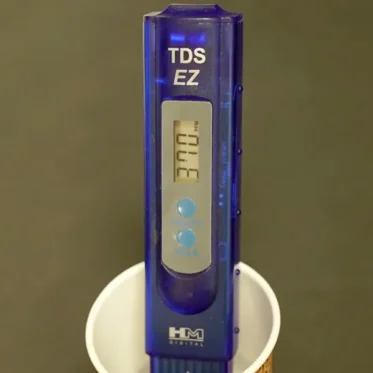
Water testing kits are essential tools for monitoring key water quality parameters. These kits typically measure TDS, pH, and hardness, allowing users to assess their water’s suitability for espresso preparation. Regular testing helps identify any changes in water quality that may affect flavor and machine performance.
What Are DIY Espresso Water Recipes for Optimal Mineral Balance?
We do NOT recommend this as this can craete issues with the machine’s reliability and performance. So, please proceed at your own risk!!!!! Creating a balanced water recipe for espresso can be achieved using common minerals. A simple DIY recipe might include:
- Calcium Chloride: 50 mg/L for sweetness
- Magnesium Sulfate: 10 mg/L for body
- Sodium Bicarbonate: 30 mg/L for alkalinity
By adjusting these minerals, users can create water that enhances the flavor profile of their espresso only.
Conclusion
Quality water leads to better espresso flavor and can protect and prolong the life of the espresso machine. Taking the preventative step to use softened water can extend the life of the espresso machine, reduce costly maintenance due to water corrosion, and ensure consistent performance in the cup.
1st-line Equipment, LLCdoes not assume any responsibilities for damages or injuries from any recommendations in this article. All statements are subject to change without notice.
