

Posts
Why can’t 1st-line recommend grinder settings for espresso?
Sep
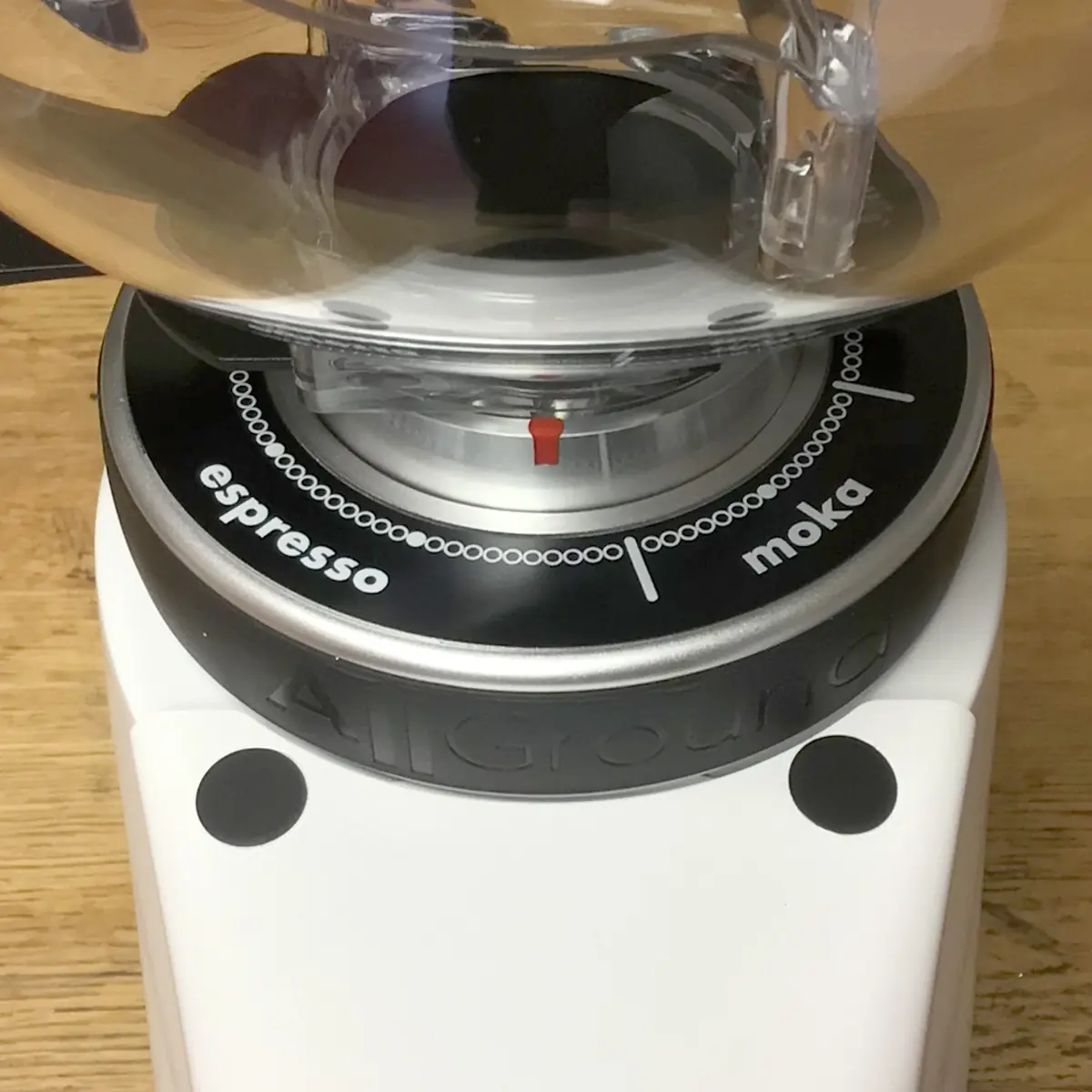
Many customers will often ask about the setting for their grinder when thy first receive their newly purchased espresso coffee grinder.
Unfortunately, there are several reasons that recommending a grinder settings will not be accurate:
- First and foremost, every espresso coffee bean or blend have different compositions in their make up, and/or
- Second, different blends, even from one batch to another of the same blend, can have different roast profiles (lighter versus darker), and/or
- Third, different blends, even from one batch to another of the same bend, can have different water content levels levels, and/or
- Fourth, different blends, even from one batch to another of the same blend, can have different hardness levels, and/or
- Fifth, different blends, even from one batch to another of the same blend, can have different aging (oxidation levels) after roast date (as the beans get older even after a few days, the beans have to be ground finer), and/or
- Sixth,as the espresso beans age, the oils near the surface head back towards the middle of the bean, which requires a finer grind, and/or
- Seventh, the filter baskets in machines have a different amount of holes, different sized micro-holes, and offer different pressurization which can impact the grinder setting
- Eight, the amount of the coffee in the basket can impact grinder settings (as more coffee int he basket should ave a coarser grinder, and less coffee in the basket would have a finer grind), and/or
- Ninth, the temperature of the water hitting the puck can be impacted by the initial thrust of the water soaking the puck of coffee int he filter basket as too high a temperature would make the pour faster and require a slightly finer grind), and/or
- Tenth, humidity levels play a role in the grinding of coffee. Higher humidity may allow freshly ground coffee to absorb more humidity, especially if the beans were very dry.
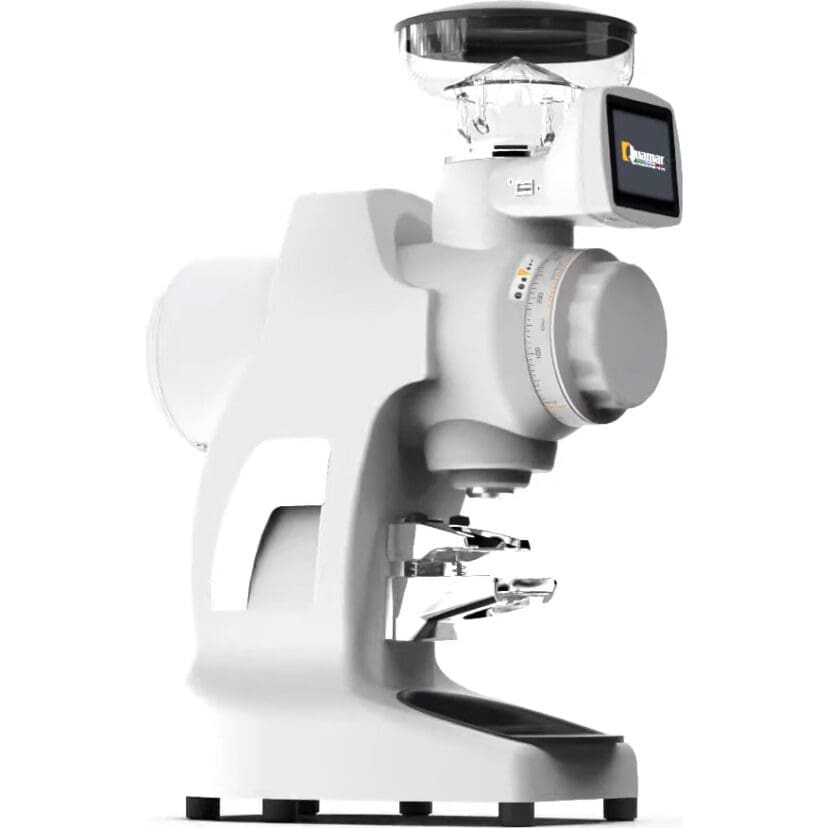 As one can see, to offer a grind setting would then deem the grinder defective as there are so many external variables that can impact the espresso extraction. And, if there was a perfect recommended setting, then the grinder manufacturers would only have to make one grind setting for all their grinders.
This is why many people call the process ‘dialing in your grinder’ as the grinder has to be dialed in for all of the above factors, AND the settings are usually changed every few days to compensate for for humidity and freshness (as beans get older, they usually require a finer grind).
