Espresso Machine ON/OFF Timers: Enhance Your Brewing Experience
Investing in a high-quality ON/OFF timer for your espresso machine can significantly improve your brewing experience. These timers allow you to automate the warm-up and shut-off process, ensuring your machine is ready when you need it and conserving energy when not in use.
By incorporating an ON/OFF timer, you can streamline your daily espresso routine, saving time and reducing the risk of forgetting to turn off your machine. This feature is particularly beneficial for busy households or commercial settings where consistent operation is crucial.
Espresso Machine Maintenance: Keeping Your Equipment in Top Shape
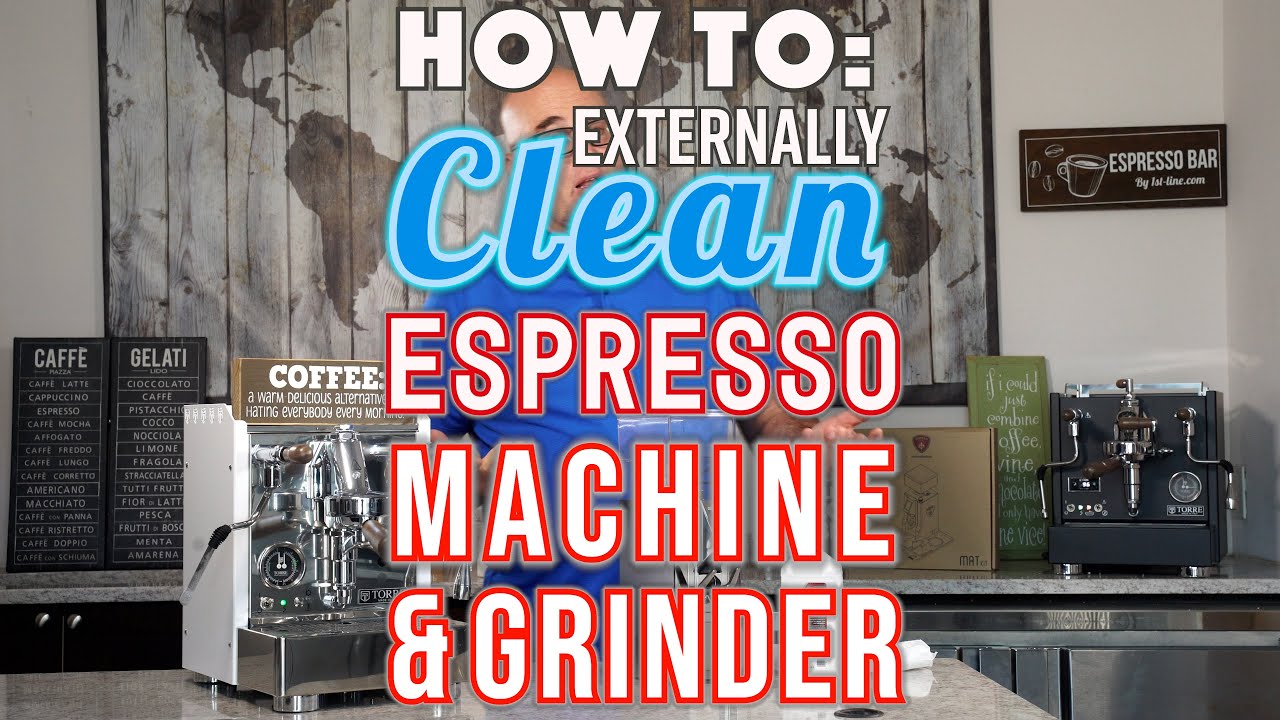
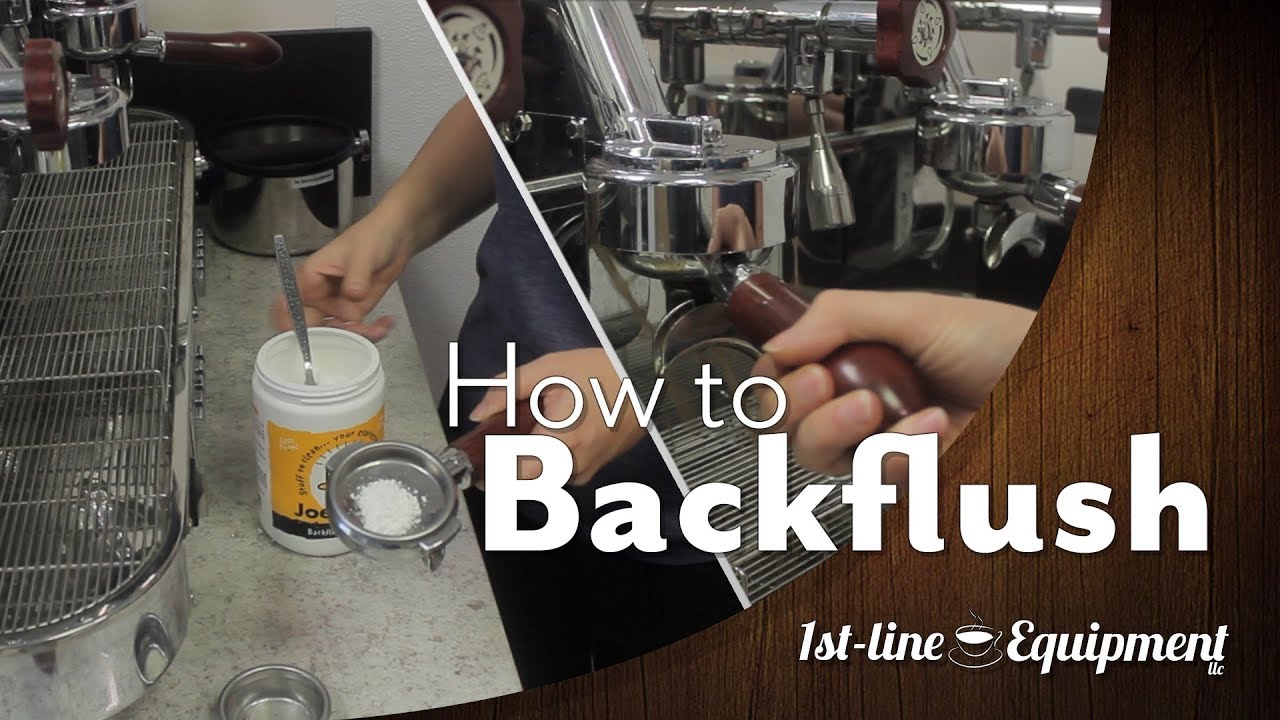
Proper maintenance is key to prolonging the lifespan and performance of your espresso machine. Regular cleaning, descaling, and troubleshooting can help prevent common issues like limescale buildup, clogged components, and heating problems.
Whether you're a home barista or a commercial operator, understanding the maintenance requirements of your espresso machine is essential. By following best practices and addressing problems promptly, you can ensure your equipment continues to deliver consistently excellent results.
Selecting the Right ON/OFF Timer for Your Espresso Machine
When choosing an ON/OFF timer for your espresso machine, consider factors such as compatibility, ease of use, and additional features. Compatibility is crucial, as you'll need to ensure the timer is designed to work seamlessly with your specific machine model.
Additionally, look for timers with intuitive controls and programmable settings, allowing you to customize the warm-up and shut-off times to suit your routine. Some advanced timers may also offer features like automatic shut-off, energy-saving modes, and remote control capabilities.
Troubleshooting Common Espresso Machine Issues
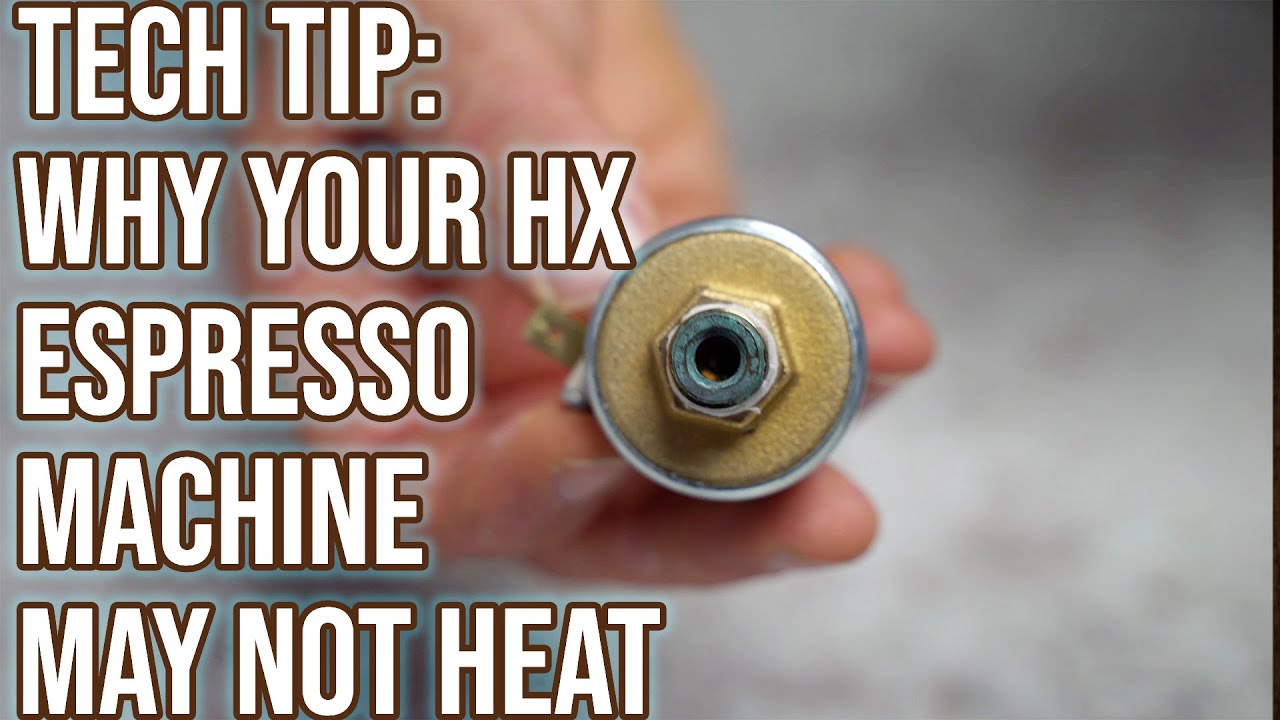
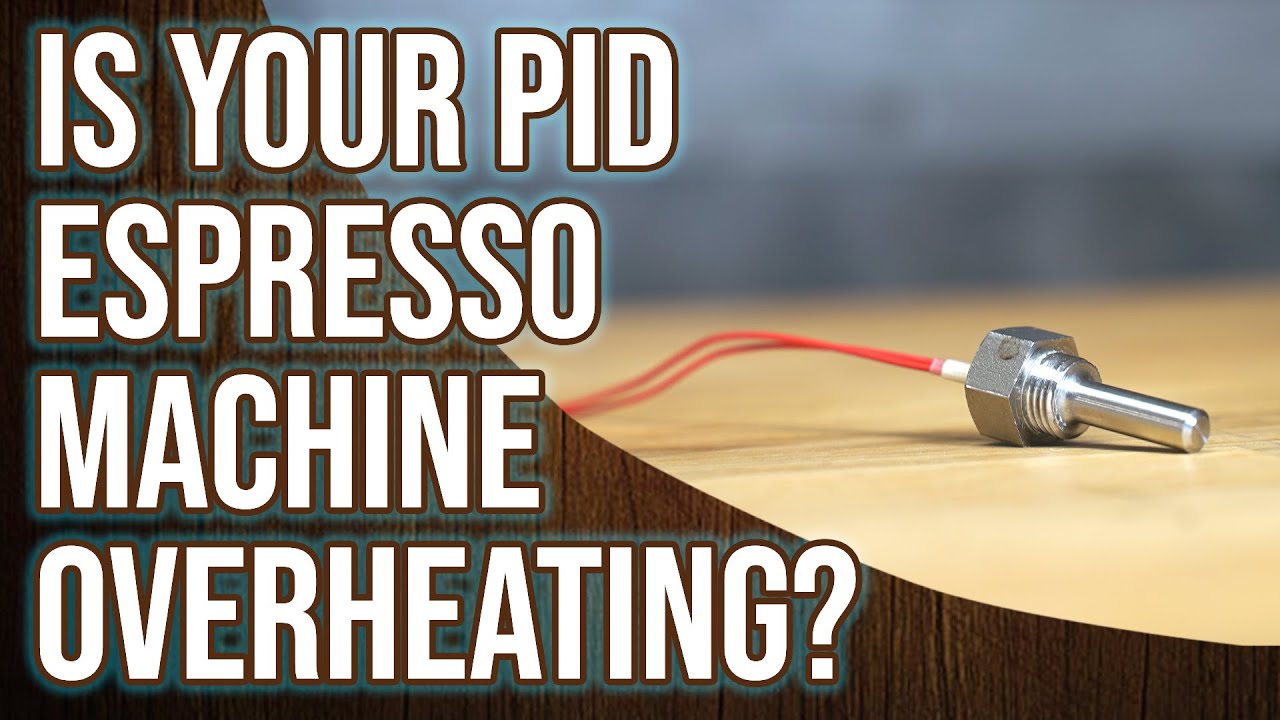
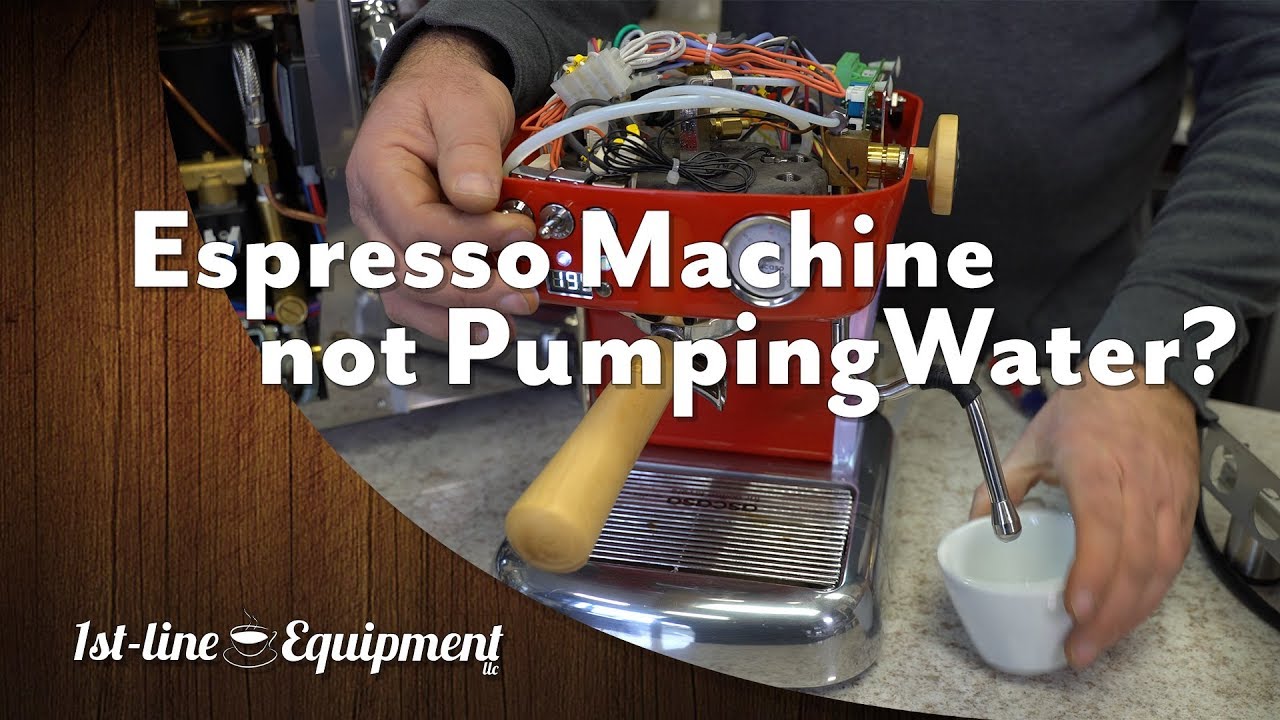
Espresso machines can occasionally encounter problems, ranging from temperature fluctuations and water pressure irregularities to steam wand clogs and electrical malfunctions. Understanding how to diagnose and address these issues can help you maintain optimal performance and minimize downtime.
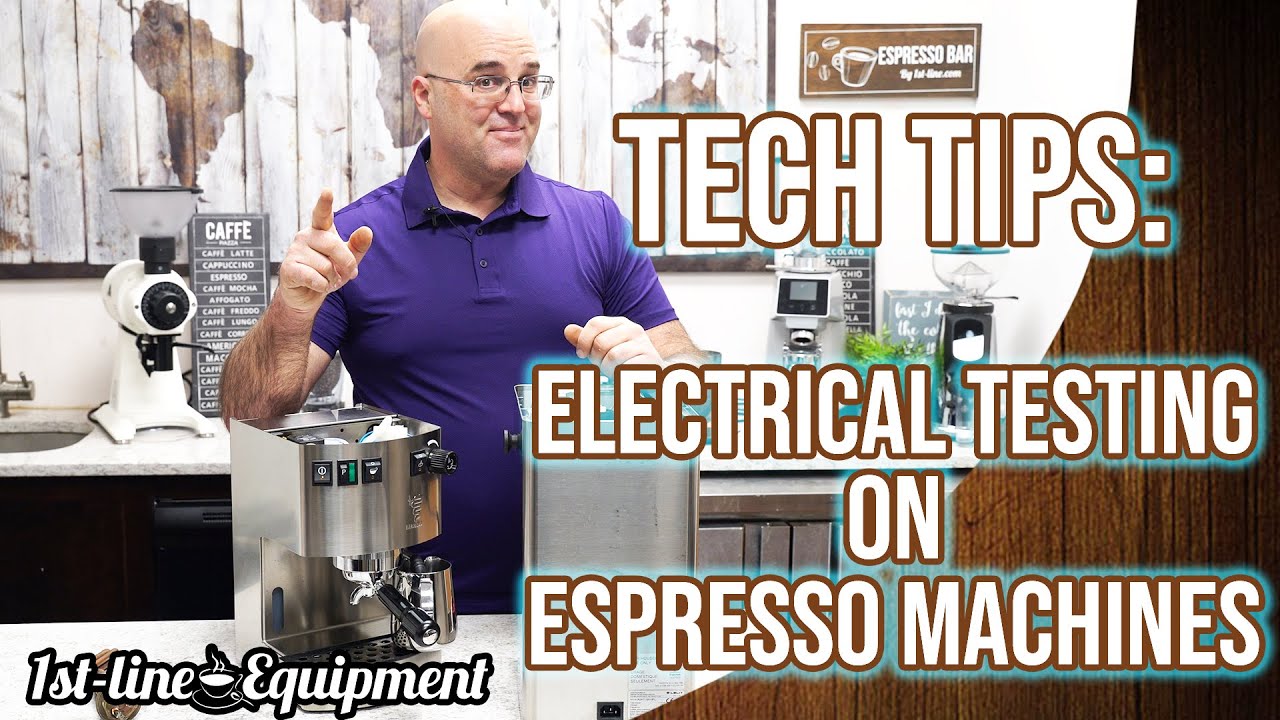
By familiarizing yourself with common troubleshooting techniques, such as cleaning the portafilter, adjusting water flow, and testing electrical components, you can often resolve minor problems without the need for professional assistance. Consulting the manufacturer's instructions or seeking guidance from expert technicians can also be invaluable in diagnosing and resolving more complex issues.